


- Afhalen na 1 uur in een winkel met voorraad
- Gratis thuislevering in België vanaf € 30
- Ruim aanbod met 7 miljoen producten
- Afhalen na 1 uur in een winkel met voorraad
- Gratis thuislevering in België vanaf € 30
- Ruim aanbod met 7 miljoen producten





€ 335,95
+ 671 punten
Uitvoering
Omschrijving
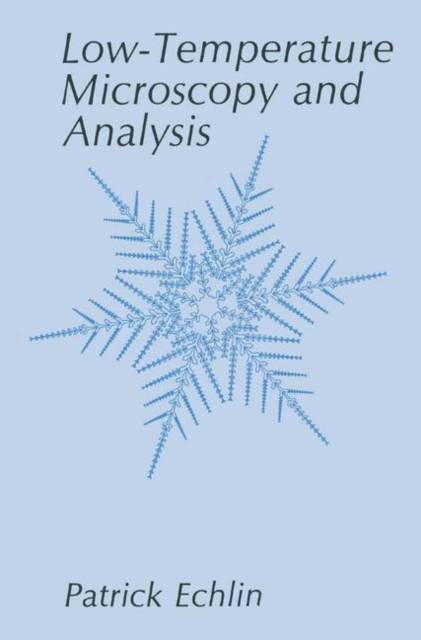
The frozen-hydrated specimen is the principal element that unifies the subject of low- temperature microscopy, and frozen-hydrated specimens are what this book is all about. Freezing the sample as quickly as possible and then further preparing the specimen for microscopy or microanalysis, whether still embedded in ice or not: there seem to be as many variations on this theme as there are creative scientists with problems of structure and composition to investigate. Yet all share a body of com- mon fact and theory upon which their work must be based. Low-Temperature Micros- copy and Analysis provides, for the first time, a comprehensive treatment of all the elements to which one needs access. What is the appeal behind the use of frozen-hydrated specimens for biological electron microscopy, and why is it so important that such a book should now have been written? If one cannot observe dynamic events as they are in progress, rapid specimen freezing at least offers the possibility to trap structures, organelles, macro- molecules, or ions and other solutes in a form that is identical to what the native structure was like at the moment of trapping. The pursuit of this ideal becomes all the more necessary in electron microscopy because of the enormous increase in resolution that is available with electron-optical instruments, compared to light- optical microscopes.
Specificaties
Betrokkenen
- Auteur(s):
- Uitgeverij:
Inhoud
- Aantal bladzijden:
- 540
- Taal:
- Engels
Eigenschappen
- Productcode (EAN):
- 9781489923042
- Verschijningsdatum:
- 18/06/2013
- Uitvoering:
- Paperback
- Formaat:
- Trade paperback (VS)
- Afmetingen:
- 156 mm x 234 mm
- Gewicht:
- 780 g


Alleen bij Standaard Boekhandel
+ 671 punten op je klantenkaart van Standaard Boekhandel
Cadeau

AANGERADEN


Beoordelingen
We publiceren alleen reviews die voldoen aan de voorwaarden voor reviews. Bekijk onze voorwaarden voor reviews.