


- Afhalen na 1 uur in een winkel met voorraad
- Gratis thuislevering in België vanaf € 30
- Ruim aanbod met 7 miljoen producten
- Afhalen na 1 uur in een winkel met voorraad
- Gratis thuislevering in België vanaf € 30
- Ruim aanbod met 7 miljoen producten





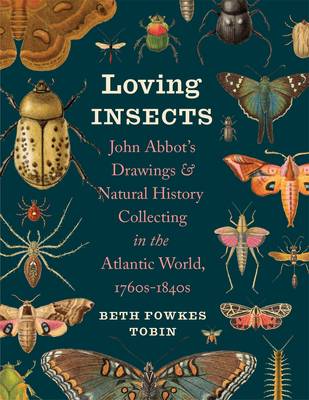
Loving Insects
John Abbot's Drawings and Natural History Collecting in the Atlantic World, 1760s-1840s
Beth Tobin
€ 70,45
+ 140 punten
Omschrijving
John Abbot's love of insects manifested itself in his exquisite watercolor drawings of butterflies, moths, beetles, cicadas, dragonflies, wasps, and spiders. Considered one of the finest illustrated entomological publications of its era, The Natural History of the Rarer Lepidopterous Insects of Georgia combined those watercolors with Abbot's terse notes that described his encounters with these creatures. Born in London in 1751, Abbot journeyed to the American South in 1773 to collect and draw insects and birds for natural history collectors in Britain. Although he had had ambitions as a young man to join the ranks of London's natural history illustrators, he never returned to Britain. Instead, Abbot lived most of his long life in Georgia, where he made thousands of watercolor drawings of insects and supplied thousands of insect specimens to his British, European, and American clients. Despite his accomplishments as a naturalist and an artist, he is little known today. Loving Insects aims to rectify this omission by detailing Abbot's activities as a natural history artist, a specimen hunter, and a naturalist and by claiming a space for him as a major figure in the history of early American natural history.
Specificaties
Betrokkenen
- Auteur(s):
- Uitgeverij:
Inhoud
- Aantal bladzijden:
- 272
- Taal:
- Engels
- Reeks:
Eigenschappen
- Productcode (EAN):
- 9780820373577
- Verschijningsdatum:
- 15/07/2026
- Uitvoering:
- Hardcover
- Formaat:
- Genaaid
- Afmetingen:
- 203 mm x 279 mm


Alleen bij Standaard Boekhandel
+ 140 punten op je klantenkaart van Standaard Boekhandel
Cadeau

AANGERADEN


Beoordelingen
We publiceren alleen reviews die voldoen aan de voorwaarden voor reviews. Bekijk onze voorwaarden voor reviews.