


- Afhalen na 1 uur in een winkel met voorraad
- Gratis thuislevering in België vanaf € 30
- Ruim aanbod met 7 miljoen producten
- Afhalen na 1 uur in een winkel met voorraad
- Gratis thuislevering in België vanaf € 30
- Ruim aanbod met 7 miljoen producten





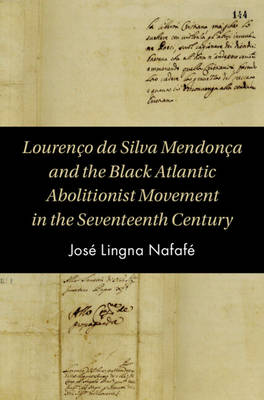
Lourenço Da Silva Mendonça and the Black Atlantic Abolitionist Movement in the Seventeenth Century
José Lingna Nafafé
€ 96,95
+ 193 punten
Omschrijving
This groundbreaking study tells the story of the highly organised, international legal court case for the abolition of slavery spearheaded by Prince Lourenço da Silva Mendonça in the seventeenth century. The case, presented before the Vatican, called for the freedom of all enslaved people and other oppressed groups. This included New Christians (Jews converted to Christianity) and Indigenous Americans in the Atlantic World, and Black Christians from confraternities in Angola, Brazil, Portugal and Spain. Abolition debate is generally believed to have been dominated by white Europeans in the eighteenth century. By centring African agency, José Lingna Nafafé offers a new perspective on the abolition movement, showing, for the first time, how the legal debate was begun not by Europeans, but by Africans. In the first book of its kind, Lingna Nafafé underscores the exceptionally complex nature of the African liberation struggle, and demystifies the common knowledge and accepted wisdom surrounding African slavery.
Specificaties
Betrokkenen
- Auteur(s):
- Uitgeverij:
Inhoud
- Aantal bladzijden:
- 486
- Taal:
- Engels
- Reeks:
Eigenschappen
- Productcode (EAN):
- 9781108838238
- Verschijningsdatum:
- 25/08/2022
- Uitvoering:
- Hardcover
- Formaat:
- Genaaid
- Afmetingen:
- 152 mm x 229 mm
- Gewicht:
- 879 g


Alleen bij Standaard Boekhandel
+ 193 punten op je klantenkaart van Standaard Boekhandel
Cadeau

AANGERADEN


Beoordelingen
We publiceren alleen reviews die voldoen aan de voorwaarden voor reviews. Bekijk onze voorwaarden voor reviews.