


- Afhalen na 1 uur in een winkel met voorraad
- Gratis thuislevering in België vanaf € 30
- Ruim aanbod met 7 miljoen producten
- Afhalen na 1 uur in een winkel met voorraad
- Gratis thuislevering in België vanaf € 30
- Ruim aanbod met 7 miljoen producten





€ 13,88
+ 13 punten
Omschrijving
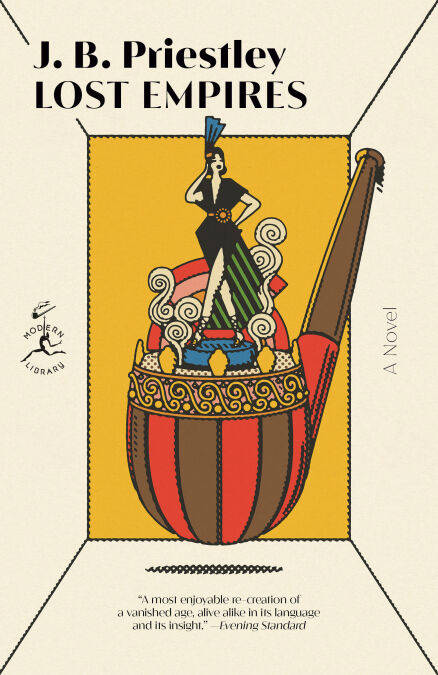
On the eve of World War I, a young painter is swept into the heady, now-vanished world of England’s traveling theater circuit in this lively coming-of-age novel by one of the twentieth century’s great, underappreciated masters.
England, 1913. Richard Herncastle is a young man who has recently found himself at a loose end, mourning the death of his mother and disillusioned with his office job. When his enigmatic Uncle Nick—an illusionist who takes his craft seriously—offers Richard a position as general assistant for his traveling variety act, it sounds like a fresh start, and an opportunity to stretch his creative wings as an aspiring painter.
As Uncle Nick’s troupe embarks on a grueling but often invigorating tour of England’s theaters and music halls, Richard finds himself immersed in a world of illusion and artifice. The performers he meets—magicians, comedians, dancers, singers, actors—are by turns eccentric, ambitious, cynical, and striving. But underneath the sheen and sparkle of showbusiness, there are darker currents: even as Richard embarks on a doomed affair with a beautiful older actress, Uncle Nick’s company becomes embroiled in a murder investigation.
Lost Empires captures a vibrant era of mass culture and entertainment, one that had already disappeared by the time of the novel’s first publication in 1965. With his hallmark mastery of colorful detail, snappy dialogue, and Dickensian character portraits, J. B. Priestley delivers a rich coming-of-age story, both nostalgic and timeless.
England, 1913. Richard Herncastle is a young man who has recently found himself at a loose end, mourning the death of his mother and disillusioned with his office job. When his enigmatic Uncle Nick—an illusionist who takes his craft seriously—offers Richard a position as general assistant for his traveling variety act, it sounds like a fresh start, and an opportunity to stretch his creative wings as an aspiring painter.
As Uncle Nick’s troupe embarks on a grueling but often invigorating tour of England’s theaters and music halls, Richard finds himself immersed in a world of illusion and artifice. The performers he meets—magicians, comedians, dancers, singers, actors—are by turns eccentric, ambitious, cynical, and striving. But underneath the sheen and sparkle of showbusiness, there are darker currents: even as Richard embarks on a doomed affair with a beautiful older actress, Uncle Nick’s company becomes embroiled in a murder investigation.
Lost Empires captures a vibrant era of mass culture and entertainment, one that had already disappeared by the time of the novel’s first publication in 1965. With his hallmark mastery of colorful detail, snappy dialogue, and Dickensian character portraits, J. B. Priestley delivers a rich coming-of-age story, both nostalgic and timeless.
Specificaties
Betrokkenen
- Auteur(s):
- Uitgeverij:
Inhoud
- Aantal bladzijden:
- 336
- Taal:
- Engels
Eigenschappen
- Productcode (EAN):
- 9798217154425
- Verschijningsdatum:
- 28/09/2026
- Uitvoering:
- E-book
- Beveiligd met:
- Adobe DRM
- Formaat:
- ePub


Alleen bij Standaard Boekhandel
+ 13 punten op je klantenkaart van Standaard Boekhandel
CADEAU

AANGERADEN


Beoordelingen
We publiceren alleen reviews die voldoen aan de voorwaarden voor reviews. Bekijk onze voorwaarden voor reviews.