


- Afhalen na 1 uur in een winkel met voorraad
- Gratis thuislevering in België vanaf € 30
- Ruim aanbod met 7 miljoen producten
- Afhalen na 1 uur in een winkel met voorraad
- Gratis thuislevering in België vanaf € 30
- Ruim aanbod met 7 miljoen producten





€ 152,95
+ 305 punten
Uitvoering
Omschrijving
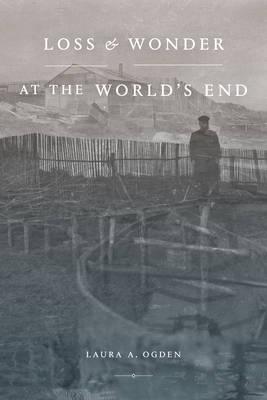
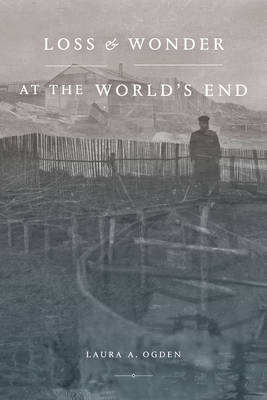
In Loss and Wonder at the World's End, Laura A. Ogden brings together animals, people, and things-from beavers, stolen photographs, lichen, American explorers, and birdsong-to catalog the ways environmental change and colonial history are entangled in the Fuegian Archipelago of southernmost Chile and Argentina. Repeated algal blooms have closed fisheries in the archipelago. Glaciers are in retreat. Extractive industries such as commercial forestry, natural gas production, and salmon farming along with the introduction of nonnative species are rapidly transforming assemblages of life. Ogden archives forms of loss-including territory, language, sovereignty, and life itself-as well as forms of wonder, or moments when life continues to flourish even in the ruins of these devastations. Her account draws on long-term ethnographic research with settler and Indigenous communities; archival photographs; explorer journals; and experiments in natural history and performance studies. Loss and Wonder at the World's End frames environmental change as imperialism's shadow, a darkness cast over the earth in the wake of other losses.
Specificaties
Betrokkenen
- Auteur(s):
- Uitgeverij:
Inhoud
- Aantal bladzijden:
- 200
- Taal:
- Engels
Eigenschappen
- Productcode (EAN):
- 9781478013631
- Verschijningsdatum:
- 12/11/2021
- Uitvoering:
- Hardcover
- Formaat:
- Genaaid
- Afmetingen:
- 152 mm x 229 mm
- Gewicht:
- 435 g


Alleen bij Standaard Boekhandel
+ 305 punten op je klantenkaart van Standaard Boekhandel
CADEAU

AANGERADEN


Beoordelingen
We publiceren alleen reviews die voldoen aan de voorwaarden voor reviews. Bekijk onze voorwaarden voor reviews.