


- Afhalen na 1 uur in een winkel met voorraad
- Gratis thuislevering in België vanaf € 30
- Ruim aanbod met 7 miljoen producten
- Afhalen na 1 uur in een winkel met voorraad
- Gratis thuislevering in België vanaf € 30
- Ruim aanbod met 7 miljoen producten





€ 27,45
+ 54 punten
Uitvoering
Omschrijving
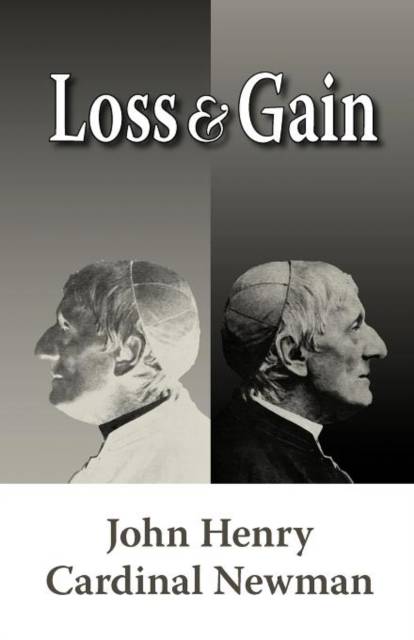
Recently "beatified" by the Catholic Church - one step away from official recognition as a saint - the life of John Henry Newman (1801-1890) paralleled the return of Catholicism to England as a legally recognized religion. As a leading figure in the Oxford Movement, an effort that sought to return the Church of England to its historical roots, and later as one of the more important Catholic writers, Newman worked to present his own position to his co-religionists, and to give an understanding of Catholicism to non-Catholic English men and women. His efforts are, in large measure, credited with making Catholicism acceptable, even respectable, in quarters where there had previously been only hostility. People of every faith mourned his death in 1890. "Loss and Gain" is the first of Newman's two novels. It is a fictionalized account of Newman's own faith journey, and account of the "Oxford Movement" that shook the English establishment of the day to the core. Potentially rivaling the work of such masters as Jane Austen and Charles Dickens, the deceptively simple plot presents a profound understanding of the human condition and English society of the early nineteenth century. It can be read with enjoyment and profit by people of every faith. This edition features a foreword by Michael D. Greaney, Director of Research for the Center for Economic and Social Justice in Arlington, Virginia, USA.
Specificaties
Betrokkenen
- Auteur(s):
- Uitgeverij:
Inhoud
- Aantal bladzijden:
- 328
- Taal:
- Engels
Eigenschappen
- Productcode (EAN):
- 9781602100039
- Verschijningsdatum:
- 29/09/2011
- Uitvoering:
- Paperback
- Formaat:
- Trade paperback (VS)
- Afmetingen:
- 140 mm x 216 mm
- Gewicht:
- 417 g


Alleen bij Standaard Boekhandel
+ 54 punten op je klantenkaart van Standaard Boekhandel
Cadeau

AANGERADEN


Beoordelingen
We publiceren alleen reviews die voldoen aan de voorwaarden voor reviews. Bekijk onze voorwaarden voor reviews.