


- Afhalen na 1 uur in een winkel met voorraad
- Gratis thuislevering in België vanaf € 30
- Ruim aanbod met 7 miljoen producten
- Afhalen na 1 uur in een winkel met voorraad
- Gratis thuislevering in België vanaf € 30
- Ruim aanbod met 7 miljoen producten





€ 53,95
+ 107 punten
Omschrijving
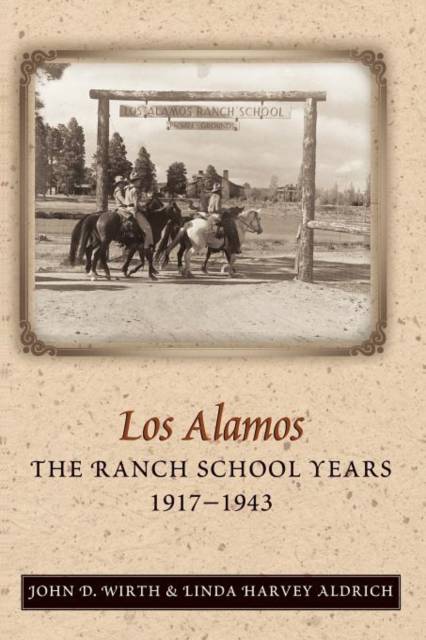
Twenty-five years before the Manhattan Project created the town of Los Alamos, the Pajarito Plateau was home to an elite prep school for boys, ages twelve to eighteen. The Los Alamos Ranch School combined a robust outdoor life and a carefully cultivated wilderness experience with a rigorous academic program and the structured discipline of a Boy Scout troop, perfectly mirroring the Progressive Era's quest for perfection. John Wirth's father, Cecil, taught at the school and directed its summer camp. John spent his early childhood at the school along with his brother Tim, later a U.S. Senator from Colorado. Drawing on oral accounts, memoirs, and archival documents, as well as John's firsthand knowledge and family lore, the authors situate the school within the educational trends of the day and New Mexico's cultural milieu. Wirth and Aldrich examine the influence of the school's controversial director, Albert J. Connell, who was roundly disliked by two of the best-known students, Gore Vidal and William S. Burroughs. Many other students reported their time at the school to be a profoundly positive, often life-changing, experience. Additional chapters recount the growing-up experiences of ranch workers' children and the role the school played in their lives and those of area residents.
Specificaties
Betrokkenen
- Auteur(s):
- Uitgeverij:
Inhoud
- Aantal bladzijden:
- 352
- Taal:
- Engels
Eigenschappen
- Productcode (EAN):
- 9780826328847
- Verschijningsdatum:
- 1/08/2010
- Uitvoering:
- Paperback
- Formaat:
- Trade paperback (VS)
- Afmetingen:
- 156 mm x 234 mm
- Gewicht:
- 494 g



Alleen bij Standaard Boekhandel
+ 107 punten op je klantenkaart van Standaard Boekhandel
Cadeau

AANGERADEN


Beoordelingen
We publiceren alleen reviews die voldoen aan de voorwaarden voor reviews. Bekijk onze voorwaarden voor reviews.