


- Afhalen na 1 uur in een winkel met voorraad
- Gratis thuislevering in België vanaf € 30
- Ruim aanbod met 7 miljoen producten
- Afhalen na 1 uur in een winkel met voorraad
- Gratis thuislevering in België vanaf € 30
- Ruim aanbod met 7 miljoen producten





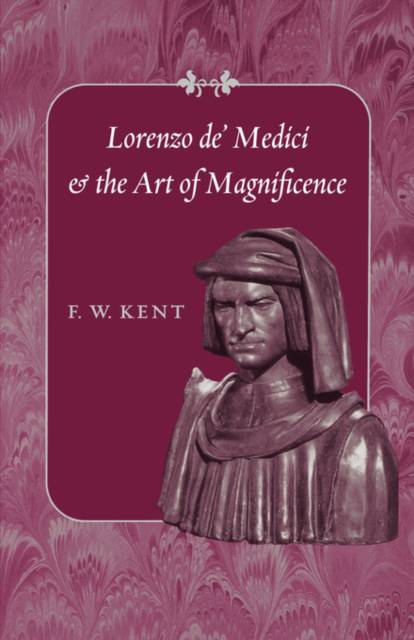
Lorenzo de' Medici and the Art of Magnificence
F W Kent
€ 54,95
+ 109 punten
Uitvoering
Eenvoudig bestellen
Veilig betalen


Gratis thuislevering vanaf € 30 (via bpost)
Gratis levering in je Standaard Boekhandel
Omschrijving
In the past half century, numerous scholars have downplayed the Renaissance contribution of Lorenzo de' Medici, the Magnificent. They say that compared to his grandfather Cosimo, Lorenzo was not so magnificent. Historian F. W. Kent seeks to correct this view by examining Lorenzo's interest in art, aesthetics, collecting, and building. Kent finds that Lorenzo indeed had a cultural and artistic vision, which he applied to many aspects of his private and public lives, witness his interest in public buildings, urban design, and the construction of various Medici palaces. His expertise was well-regarded by gildsmen and artists who often turned to him for advice as much as for patronage. Supplementing the text are new photographs by Ralph Lieberman, commissioned by the author.
Specificaties
Betrokkenen
- Auteur(s):
- Uitgeverij:
Inhoud
- Aantal bladzijden:
- 248
- Taal:
- Engels
- Reeks:
- Reeksnummer:
- nr. 24
Eigenschappen
- Productcode (EAN):
- 9780801886270
- Verschijningsdatum:
- 1/01/2007
- Uitvoering:
- Paperback
- Formaat:
- Trade paperback (VS)
- Afmetingen:
- 140 mm x 216 mm
- Gewicht:
- 353 g


Alleen bij Standaard Boekhandel
+ 109 punten op je klantenkaart van Standaard Boekhandel
CADEAU

AANGERADEN


Beoordelingen
We publiceren alleen reviews die voldoen aan de voorwaarden voor reviews. Bekijk onze voorwaarden voor reviews.