


- Afhalen na 1 uur in een winkel met voorraad
- Gratis thuislevering in België vanaf € 30
- Ruim aanbod met 7 miljoen producten
- Afhalen na 1 uur in een winkel met voorraad
- Gratis thuislevering in België vanaf € 30
- Ruim aanbod met 7 miljoen producten





€ 89,95
+ 179 punten
Omschrijving
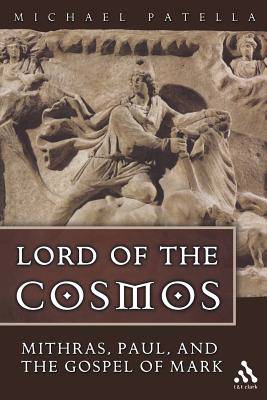
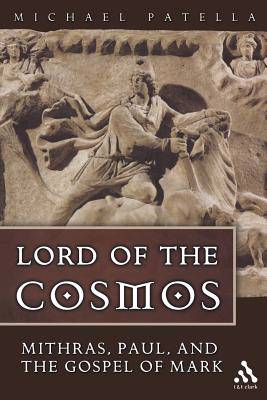
In Lord of the Cosmos, Patella demonstrates the ways in which the Roman Imperial religion imbues Paul's letter and subsequently Mark's Gospel. Mark resonated in the imperial capital and beyond because of its inherent participationist theology, a theology probably augmented by Paul and possibly introduced by him. In his own writings, Paul draws from Mithraic vocabulary and symbolism. Mithraism itself functions within the cosmic framework outlined in Plato's Timaeus. Pauline theology, with its Mithraic overtones, coheres with the Markan theme of Christ's cosmic victory over Satan; Paul and Mark share a similar view of Christ's salvific act. With the Bartimaeus pericope (10:46-52), the Markan Gospel demonstrates that believers, by their call to discipleship, participate in that victory. This whole process is signaled by the baptism with its divine communication and actions of descent and ascent, a strong Pauline concept. Patella shows that the Markan presentation of Jesus' death, the climax of the narrative, brings the act of divine communication full circle. At the baptism, God communicates to creation, and with Jesus' cry from the cross, creation replies in despair. Jesus' death is not the end of the story, however. The women at the tomb realize this fact and are awestruck at its significance, which is the reason that they do not tell anyone what they have witnessed. The notice to meet Jesus in Galilee is an affirmation of the resurrection. By moving from the area of the dead, that is the tomb, to the land of the living, Galilee, Mark echoes the cosmic theology in Paul, which moves from life to death, and back to eternal life.
Specificaties
Betrokkenen
- Auteur(s):
- Uitgeverij:
Inhoud
- Aantal bladzijden:
- 146
- Taal:
- Engels
Eigenschappen
- Productcode (EAN):
- 9780567025326
- Verschijningsdatum:
- 24/04/2006
- Uitvoering:
- Paperback
- Formaat:
- Trade paperback (VS)
- Afmetingen:
- 154 mm x 228 mm
- Gewicht:
- 244 g


Alleen bij Standaard Boekhandel
+ 179 punten op je klantenkaart van Standaard Boekhandel
Wedstrijd


Beoordelingen
We publiceren alleen reviews die voldoen aan de voorwaarden voor reviews. Bekijk onze voorwaarden voor reviews.