


- Afhalen na 1 uur in een winkel met voorraad
- Gratis thuislevering in België vanaf € 30
- Ruim aanbod met 7 miljoen producten
- Afhalen na 1 uur in een winkel met voorraad
- Gratis thuislevering in België vanaf € 30
- Ruim aanbod met 7 miljoen producten





€ 61,45
+ 122 punten
Omschrijving
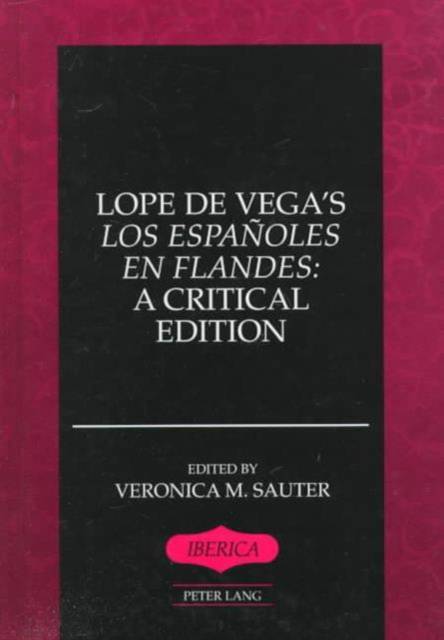
This first critical edition of Lope de Vega's obscure historical play based on the Spanish victory at Gembloux on January 30, 1578 challenges all previous literary assessments of Los españoles en Flandes (The Spaniards in Flanders) as a meaningless dramatic product. While Lope strictly adhered to Alonso Vasquez's factual account for the historical thread, the 'Phoenix' demonstrates his creative genius in the use of the Gypsy language (germanesca) and the commercial (ships, spices, soft goods) imagery dominant in the trivial fictional subplot. Indeed, trade, especially of foodstuffs and specifically of wheat as evidenced in the name of the gracioso and protagonist of the secondary plot, Salvado (bran or chaff of wheat), provides the primary focus of the play. If mercantilism was a deliberate pursuit of economic interests in order to buttress the state (J.I. Israel), then Lope's spectators would have recognized the simple dichotomy of the main and secondary plots as analogous, respectively, to the dual politique and socio-economic approach to government. In this light, Los españoles en Flandes offers an objective and poignant view of the realities which powered Imperial Spain's war machinery in the Low Countries during the late sixteenth and early seventeenth centuries.
It is precisely in viewing the serious historical and the delightfully entertaining fictional elements together that the modern reader can distill the original message encoded for Lope's live audience.
It is precisely in viewing the serious historical and the delightfully entertaining fictional elements together that the modern reader can distill the original message encoded for Lope's live audience.
Specificaties
Betrokkenen
- Auteur(s):
- Uitgeverij:
Inhoud
- Aantal bladzijden:
- 286
- Taal:
- Engels
- Reeks:
- Reeksnummer:
- nr. 17
Eigenschappen
- Productcode (EAN):
- 9780820428246
- Verschijningsdatum:
- 1/03/1998
- Uitvoering:
- Hardcover
- Formaat:
- Genaaid
- Afmetingen:
- 160 mm x 230 mm
- Gewicht:
- 569 g


Alleen bij Standaard Boekhandel
+ 122 punten op je klantenkaart van Standaard Boekhandel
Cadeau

AANGERADEN


Beoordelingen
We publiceren alleen reviews die voldoen aan de voorwaarden voor reviews. Bekijk onze voorwaarden voor reviews.