


- Afhalen na 1 uur in een winkel met voorraad
- Gratis thuislevering in België vanaf € 30
- Ruim aanbod met 7 miljoen producten
- Afhalen na 1 uur in een winkel met voorraad
- Gratis thuislevering in België vanaf € 30
- Ruim aanbod met 7 miljoen producten





€ 67,95
+ 135 punten
Omschrijving
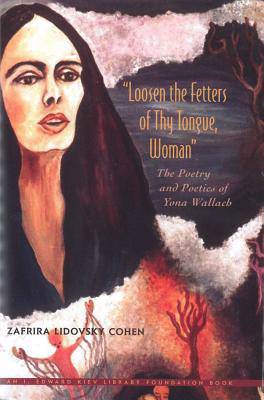
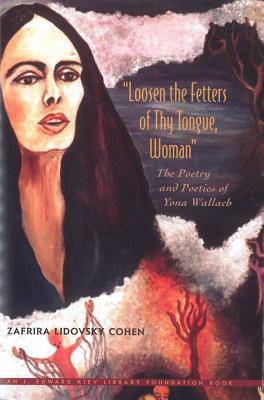
Maverick Israeli poet Yona Wallach (1944-1985) is often remembered for her outrageous and unconventional personality and the controversies engendered by her sometimes shamelessly erotic verse. But she is regarded by many of her friends and colleagues as the most important among the Israeli poets of her generation, perhaps even the greatest Hebrew poet of modern times, and has had a profound effect on Israel's cultural life ever since her works began to appear in periodicals in the early 1960s. Zafrira Lidovsky Cohen presents the first full-length critical analysis in English of her works, exposing the roots of her poetry in the poetic revolution in Israel during the 1950s and explain how she epitomizes the literary climate of her time. Wallach's poetry reflects the cultural crises that shook the academic world of the 1960s and the intellectual battles many artists fought with the prison-house of semiotic systems in which the human mind, they felt, was entrapped. Mysticism, religion and prophecy, passion, genius, sex, and madness are only some of the terms associated with this woman and her poetic art, which one critic has called a "unique combination of elements of rock and roll, Jungian psychology and street slang, break-neck pace and insistent sexuality." Cohen paints a background for Yona Wallach's poetry by outlining her short life and surveying her critical reputation. Drawing on her own rich and varied background in Bible, mythology, Hebrew language, and Poststructuralist and Postmodernist literary and linguistic theory, Cohen traces Wallach's poetic corpus, translates and interprets representative examples of her works, and situates them within a variety of historical and literary contexts.
Specificaties
Betrokkenen
- Auteur(s):
- Uitgeverij:
Inhoud
- Aantal bladzijden:
- 280
- Taal:
- Engels
- Reeks:
- Reeksnummer:
- nr. 30
Eigenschappen
- Productcode (EAN):
- 9780878204540
- Verschijningsdatum:
- 3/09/2003
- Uitvoering:
- Hardcover
- Formaat:
- Genaaid
- Afmetingen:
- 156 mm x 240 mm
- Gewicht:
- 557 g


Alleen bij Standaard Boekhandel
+ 135 punten op je klantenkaart van Standaard Boekhandel
Cadeau

AANGERADEN


Beoordelingen
We publiceren alleen reviews die voldoen aan de voorwaarden voor reviews. Bekijk onze voorwaarden voor reviews.