


- Afhalen na 1 uur in een winkel met voorraad
- Gratis thuislevering in België vanaf € 30
- Ruim aanbod met 7 miljoen producten
- Afhalen na 1 uur in een winkel met voorraad
- Gratis thuislevering in België vanaf € 30
- Ruim aanbod met 7 miljoen producten





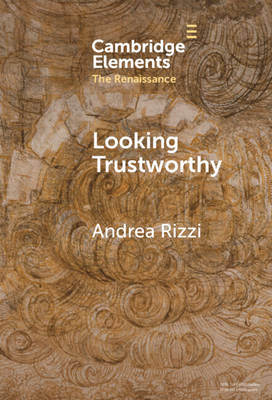
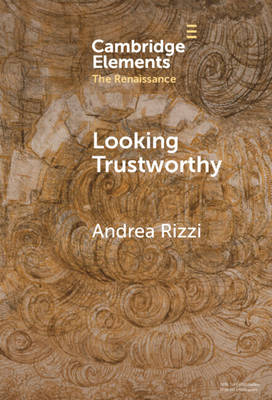
Looking Trustworthy
Portraits and Textual Poses of Humanist Translators in the Renaissance
Andrea Rizzi
€ 79,45
+ 158 punten
Uitvoering
Omschrijving
In this Element I investigate how Renaissance humanist translators used the printed page to construct a trustworthy persona and persuade readers of their translations' value. These portraits did more than decorate books - they shaped the public identity of translators, lent credibility to their work, and positioned them within broader networks of cultural authority. As the early modern book trade expanded, portraits became key instruments in establishing recognisability - what we might now call a 'brand' - that reassured readers and patrons alike. By revealing how trustworthiness was deliberately performed and circulated in print, this Element reframes the role of translators in Renaissance culture and offers new insights into the social and symbolic economies of early modern trust.
Specificaties
Betrokkenen
- Auteur(s):
- Uitgeverij:
Inhoud
- Aantal bladzijden:
- 75
- Taal:
- Engels
- Reeks:
Eigenschappen
- Productcode (EAN):
- 9781009571784
- Verschijningsdatum:
- 31/07/2026
- Uitvoering:
- Hardcover
- Formaat:
- Genaaid


Alleen bij Standaard Boekhandel
+ 158 punten op je klantenkaart van Standaard Boekhandel
Cadeau

AANGERADEN


Beoordelingen
We publiceren alleen reviews die voldoen aan de voorwaarden voor reviews. Bekijk onze voorwaarden voor reviews.