


- Afhalen na 1 uur in een winkel met voorraad
- Gratis thuislevering in België vanaf € 30
- Ruim aanbod met 7 miljoen producten
- Afhalen na 1 uur in een winkel met voorraad
- Gratis thuislevering in België vanaf € 30
- Ruim aanbod met 7 miljoen producten





Omschrijving
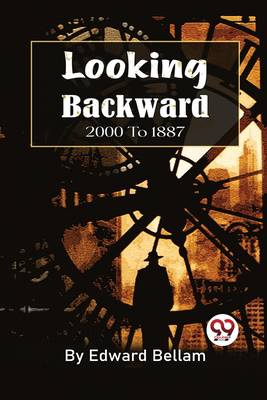
Edward Bellamy, a journalist, and author from Chicopee Falls, Massachusetts, is the author of the utopian science fiction book Looking Backward: 2000-1887. Bellamy's novel tells the story of a young American who falls into a deep, hypnosis-induced sleep and wakes up 113 years later. In Looking Backward, Julian West is introduced to a dystopian society where everyone is equally smart and the wealth of the society is dispersed evenly. At age 45, everyone is eligible for full retirement benefits and has access to nearly rapid, internet-like delivery of their purchases. Bellamy also foresees the availability of sermons and music in the house through cable "telephone" (already commercialized only in 1890). For instance, he explains the new legal system in chapter 19. Crime has evolved into a medical problem, whereas most civil lawsuits have resulted in socialism. Atavism, a then-current theory, is used to explain crimes unrelated to inequality. For instance, he explains the new legal system in chapter 19. Crime has evolved into a medical problem, whereas most civil lawsuits have resulted in socialism. Atavism, a then-current theory, is used to explain crimes unrelated to inequality. In chapters 15 and 16, it is shown how a more libertarian socialist government may be able to give free, autonomous public art and news sources.
Specificaties
Betrokkenen
- Auteur(s):
- Uitgeverij:
Inhoud
- Aantal bladzijden:
- 190
- Taal:
- Engels
Eigenschappen
- Productcode (EAN):
- 9789357274432
- Verschijningsdatum:
- 1/12/2022
- Uitvoering:
- Paperback
- Formaat:
- Trade paperback (VS)
- Afmetingen:
- 152 mm x 229 mm
- Gewicht:
- 285 g


Alleen bij Standaard Boekhandel
+ 41 punten op je klantenkaart van Standaard Boekhandel
AANGERADEN


Beoordelingen
We publiceren alleen reviews die voldoen aan de voorwaarden voor reviews. Bekijk onze voorwaarden voor reviews.