


- Afhalen na 1 uur in een winkel met voorraad
- Gratis thuislevering in België vanaf € 30
- Ruim aanbod met 7 miljoen producten
- Afhalen na 1 uur in een winkel met voorraad
- Gratis thuislevering in België vanaf € 30
- Ruim aanbod met 7 miljoen producten





€ 64,95
+ 129 punten
Omschrijving
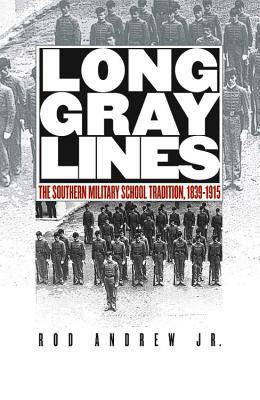
Military training was a prominent feature of higher education across the nineteenth-century South. Virginia Military Institute and the Citadel, as well as land-grant schools such as Texas A&M, Auburn, and Clemson, organized themselves on a military basis, requiring their male students to wear uniforms, join a corps of cadets, and subject themselves to constant military discipline. Several southern black colleges also adopted a military approach.
Challenging assumptions about a distinctive "southern military tradition," Rod Andrew demonstrates that southern military schools were less concerned with preparing young men for actual combat than with instilling in their students broader values of honor, patriotism, civic duty, and virtue. Southerners had a remarkable tendency to reconcile militarism with republicanism, Andrew says, and following the Civil War, the Lost Cause legend further strengthened the link in southerners' minds between military and civic virtue.
Though traditionally black colleges faced struggles that white schools did not, notes Andrew, they were motivated by the same conviction that powered white military schools -- the belief that a good soldier was by definition a good citizen.
Specificaties
Betrokkenen
- Auteur(s):
- Uitgeverij:
Inhoud
- Aantal bladzijden:
- 169
- Taal:
- Engels
Eigenschappen
- Productcode (EAN):
- 9780807855416
- Verschijningsdatum:
- 28/02/2004
- Uitvoering:
- Paperback
- Formaat:
- Trade paperback (VS)
- Afmetingen:
- 152 mm x 226 mm
- Gewicht:
- 249 g


Alleen bij Standaard Boekhandel
+ 129 punten op je klantenkaart van Standaard Boekhandel
Cadeau

AANGERADEN


Beoordelingen
We publiceren alleen reviews die voldoen aan de voorwaarden voor reviews. Bekijk onze voorwaarden voor reviews.