


- Afhalen na 1 uur in een winkel met voorraad
- Gratis thuislevering in België vanaf € 30
- Ruim aanbod met 7 miljoen producten
- Afhalen na 1 uur in een winkel met voorraad
- Gratis thuislevering in België vanaf € 30
- Ruim aanbod met 7 miljoen producten





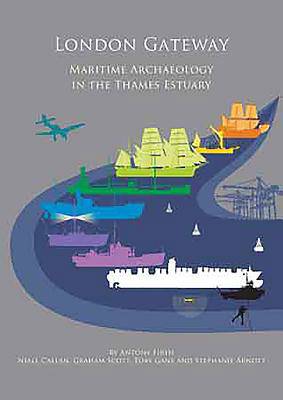
London Gateway
Maritime Archaeology in the Thames Estuary
€ 20,95
+ 41 punten
Omschrijving
The DP World London Gateway Port, on the north bank of the Thames, is a major development of a new container terminal. Its construction has been accompanied by a major dredging scheme that has increased the depth of sections of the approach channel over a length of c. 100km, from the outer reaches of the Thames to the new terminal. From its beginning, this scheme included careful consideration of the archaeological consequences of dredging in such a historically-important estuary. Over the course of a decade, investigations by Wessex Archaeology have provided a new perspective on the historic environment of the Thames, and explored innovative archaeological approaches and methodologies for addressing marine developments of this type and scale. This volume sets out the challenges, results and history of these investigations, and the context and constraints encountered. The results contribute to our knowledge of maritime archaeology in the Thames Estuary and to the wider practice of marine development-led archaeology. A companion volume on the terrestrial investigations conducted by Oxford Archaeology is presented in London Gateway: Iron Age and Roman Salt Making in the Thames Estuary. Excavations at Stanford Wharf Nature Reserve, Essex.
Specificaties
Betrokkenen
- Uitgeverij:
Inhoud
- Aantal bladzijden:
- 88
- Taal:
- Engels
- Reeks:
- Reeksnummer:
- nr. 30
Eigenschappen
- Productcode (EAN):
- 9781874350613
- Verschijningsdatum:
- 14/12/2012
- Uitvoering:
- Hardcover
- Formaat:
- Genaaid
- Afmetingen:
- 211 mm x 297 mm
- Gewicht:
- 635 g

Alleen bij Standaard Boekhandel
+ 41 punten op je klantenkaart van Standaard Boekhandel
Cadeau

AANGERADEN


Beoordelingen
We publiceren alleen reviews die voldoen aan de voorwaarden voor reviews. Bekijk onze voorwaarden voor reviews.