


- Afhalen na 1 uur in een winkel met voorraad
- Gratis thuislevering in België vanaf € 30
- Ruim aanbod met 7 miljoen producten
- Afhalen na 1 uur in een winkel met voorraad
- Gratis thuislevering in België vanaf € 30
- Ruim aanbod met 7 miljoen producten





€ 7,49
+ 7 punten
Eenvoudig bestellen
Veilig betalen


Onmiddellijk geleverd via e-mail
Omschrijving
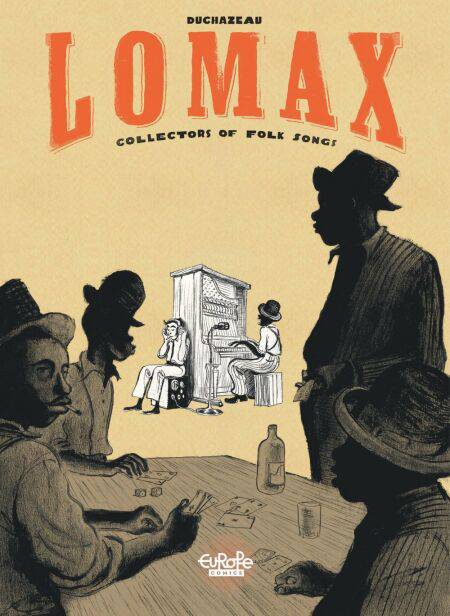
In 1933, folklorist John Lomax and his eighteen-year-old son, Alan, embarked on a tour of the American South with a modest budget and a lofty aim: to preserve America's folk heritage. Together, they visited churches, plantations and penitentiaries under the auspices of the Library of Congress, seeking out and recording the very best folk songs, gospel, and blues. Among their discoveries were the Delta bluesman Son House and the jailed singer Huddie Ledbetter, better known as Lead Belly. On this, their most ambitious musicological expedition, John and Alan Lomax saved for posterity thousands of songs that might otherwise have vanished without a trace. More than that, they amassed an archive of recordings that would shape the blues-driven rock 'n' roll of the 1960s and beyond. As George Harrison once remarked, "No Lead Belly, no Beatles."
Specificaties
Betrokkenen
- Auteur(s):
- Illustrator(s):
- Uitgeverij:
Inhoud
- Taal:
- Engels
- Reeks:
Eigenschappen
- Productcode (EAN):
- 9791032810903
- Verschijningsdatum:
- 14/07/2020
- Uitvoering:
- E-book
- Beveiligd met:
- Digital watermarking
- Formaat:
- ePub 3 Fixed Layout



Alleen bij Standaard Boekhandel
+ 7 punten op je klantenkaart van Standaard Boekhandel
CADEAU

AANGERADEN


Beoordelingen
We publiceren alleen reviews die voldoen aan de voorwaarden voor reviews. Bekijk onze voorwaarden voor reviews.