


- Afhalen na 1 uur in een winkel met voorraad
- Gratis thuislevering in België vanaf € 30
- Ruim aanbod met 7 miljoen producten
- Afhalen na 1 uur in een winkel met voorraad
- Gratis thuislevering in België vanaf € 30
- Ruim aanbod met 7 miljoen producten





€ 119,45
+ 238 punten
Omschrijving
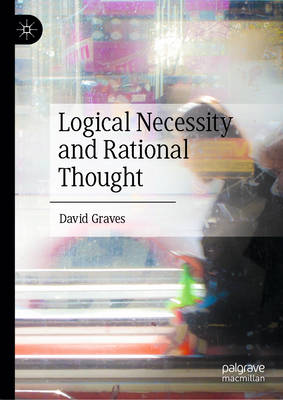
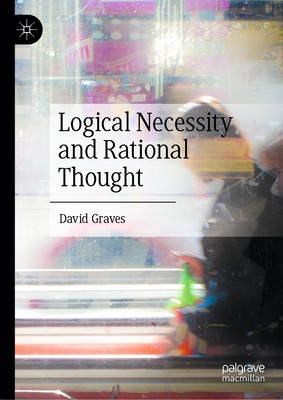
This book explores Wittgenstein's unsettling remark in the Tractatus that the only necessity that exists is logical necessity. It suggests that the notion of necessity is a primitive notion, and, as such, both a requirement for human cognition and constitutive of rational thought. On this basis, the book then reexamines some of the perennial questions of philosophy including logic itself, beauty, law, truth and the concept of God. All of these topics are seen to be closely related to the notion of necessity. It is argued that if logical necessity XE "logical necessity" is the only necessity that exists, then Kant XE "Kant, Immanuel" 's notion of the subjective XE "subjective" necessity of aesthetic judgments must be reconsidered. Likewise, metaphysical XE "metaphysical necessity", moral, and practical necessity must all be revised. Finally, a new dimension is added to the analysis. It is shown that the notion of logical necessity is human in its origin, and yet also absolute. This insight reopens the possibility of logical absolutism XE "absolutism", as opposed to the current, general consensus around logical relativism XE "relativism" . Moreover, it becomes possible to entertain a notion of logical absolutism without the problematic baggage of metaphysical and/or divine considerations. This new sense of logical absolutism facilitates a reconsideration of certain epistemological claims directly related to logical truths, for example, so-called analytical propositions. Logical Necessity and Rational Thought is essential reading for all scholars, researchers and advanced students of philosophical logic. It is also ideal for researchers of the thought of Ludwig Wittgenstein.
Specificaties
Betrokkenen
- Auteur(s):
- Uitgeverij:
Inhoud
- Aantal bladzijden:
- 188
- Taal:
- Engels
Eigenschappen
- Productcode (EAN):
- 9783032140852
- Verschijningsdatum:
- 24/04/2026
- Uitvoering:
- Hardcover
- Formaat:
- Genaaid
- Afmetingen:
- 148 mm x 210 mm
- Gewicht:
- 355 g


Alleen bij Standaard Boekhandel
+ 238 punten op je klantenkaart van Standaard Boekhandel
Cadeau

AANGERADEN


Beoordelingen
We publiceren alleen reviews die voldoen aan de voorwaarden voor reviews. Bekijk onze voorwaarden voor reviews.