


- Afhalen na 1 uur in een winkel met voorraad
- Gratis thuislevering in België vanaf € 30
- Ruim aanbod met 7 miljoen producten
- Afhalen na 1 uur in een winkel met voorraad
- Gratis thuislevering in België vanaf € 30
- Ruim aanbod met 7 miljoen producten




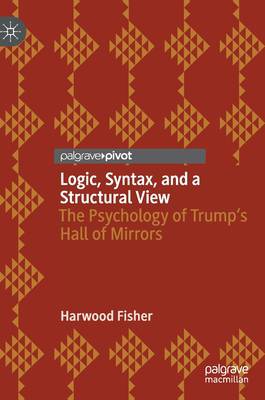
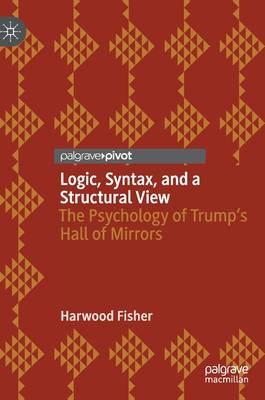
Logic, Syntax, and a Structural View
The Psychology of Trump's Hall of Mirrors
Harwood Fisher
Hardcover | Engels
€ 64,95
+ 129 punten
Omschrijving
This book presents a new structural approach to the psychology of the person, inspired by Kenneth Colby's computer-generated simulation, PARRY. The simulation was of a paranoid psychological state, represented in forms of the person's logic and syntax, as these would be evidenced in personal communication. Harwood Fisher uses a Structural View to highlight similarities in the logical form of the linguistic representations of Donald Trump, his avid followers ("Trumpers"), and the paranoid--referred to as "The Trio." He demonstrates how the Structural View forms a series of logical and schematic patterns, similar to the way that content analysis can bring forth associations meanings, and concepts held in the text. Such comparisons, Fisher argues, can be used to shed light on contingencies for presenting, representing, and judging truth. Specifically, Fisher posits that the major syntactic and logical patterns that were used to produce the computer-generated "paranoid" responses in Colby's project can be used to analyze Donald Trump's rhetoric and his followers' reactions to it. Ultimately, Fisher offers a new kind of structural approach for the philosophy of psychology. This novel work will appeal to students and scholars of social and cognitive psychology, psychology of personality, psychiatric classification, psycholinguistics, rhetoric, and computer science.
Specificaties
Betrokkenen
- Auteur(s):
- Uitgeverij:
Inhoud
- Aantal bladzijden:
- 167
- Taal:
- Engels
Eigenschappen
- Productcode (EAN):
- 9783030608804
- Verschijningsdatum:
- 13/11/2020
- Uitvoering:
- Hardcover
- Formaat:
- Genaaid
- Afmetingen:
- 148 mm x 210 mm
- Gewicht:
- 367 g


Alleen bij Standaard Boekhandel
+ 129 punten op je klantenkaart van Standaard Boekhandel
AANGERADEN


Beoordelingen
We publiceren alleen reviews die voldoen aan de voorwaarden voor reviews. Bekijk onze voorwaarden voor reviews.