


- Afhalen na 1 uur in een winkel met voorraad
- Gratis thuislevering in België vanaf € 30
- Ruim aanbod met 7 miljoen producten
- Afhalen na 1 uur in een winkel met voorraad
- Gratis thuislevering in België vanaf € 30
- Ruim aanbod met 7 miljoen producten





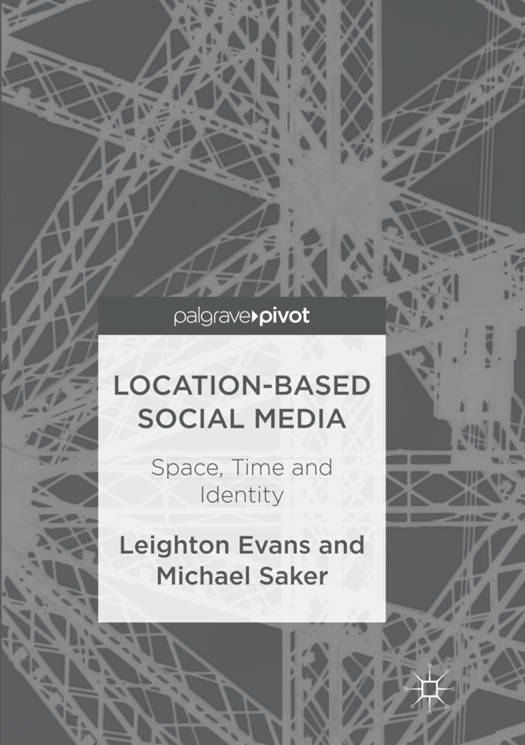
Location-Based Social Media
Space, Time and Identity
Leighton Evans, Michael Saker
Paperback | Engels
€ 59,95
+ 119 punten
Uitvoering
Omschrijving
This book extends current understandings of the effects of using locative social media on spatiality, the experience of time and identity. This is a pertinent and timely topic given the increase in opportunities people now have to explicitly and implicitly share their location through digital and mobile technologies. There is a growing body of research on locative media, much of this literature has concentrated on spatial issues. Research here has explored how locative media and location-based social media (LBSN) are used to communicate and coordinate social interactions in public space, affecting how people approach their surroundings, turning ordinary life "into a game", and altering how mobile media is involved in understanding the world. This book offers a critical analysis of the effect of usage of locative social media on identity through an engagement with the current literature on spatiality, a novel critical investigation of the temporal effects of LBSN use and a view of identity as influenced by the spatio-temporal effects of interacting with place through LBSN. Drawing on phenomenology, post-phenomenology and critical theory on social and locative media, alongside established sociological frameworks for approaching spatiality and the city, it presents a comprehensive account of the effects of LBSN and locative media use.
Specificaties
Betrokkenen
- Auteur(s):
- Uitgeverij:
Inhoud
- Aantal bladzijden:
- 112
- Taal:
- Engels
Eigenschappen
- Productcode (EAN):
- 9783319841687
- Verschijningsdatum:
- 04/05/2018
- Uitvoering:
- Paperback
- Formaat:
- Trade paperback (VS)
- Afmetingen:
- 148 mm x 210 mm
- Gewicht:
- 158 g



Alleen bij Standaard Boekhandel
+ 119 punten op je klantenkaart van Standaard Boekhandel
Cadeau

AANGERADEN


Beoordelingen
We publiceren alleen reviews die voldoen aan de voorwaarden voor reviews. Bekijk onze voorwaarden voor reviews.