


- Afhalen na 1 uur in een winkel met voorraad
- Gratis thuislevering in België vanaf € 30
- Ruim aanbod met 7 miljoen producten
- Afhalen na 1 uur in een winkel met voorraad
- Gratis thuislevering in België vanaf € 30
- Ruim aanbod met 7 miljoen producten





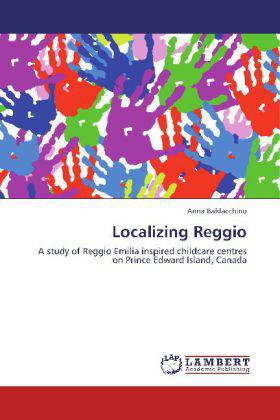
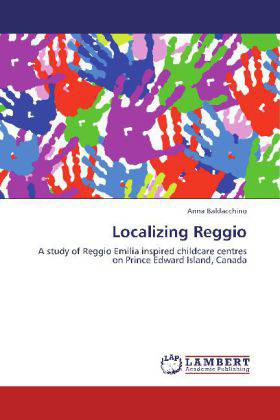
Localizing Reggio
A study of Reggio Emilia inspired childcare centres on Prince Edward Island, Canada
Anna Baldacchino
Paperback | Engels
€ 77,95
+ 155 punten
Omschrijving
We all know of the saying: "Children are to be seen, not heard". The Reggio Emilia approach and its emergent curriculum challenge this saying. Educators who are inspired by this approach believe that children need to be heard and listened to, and also taken up on their ideas. Their flexibility and willingness to follow a child's lead would allow remarkable things to happen. This study reviews the implementation of the Reggio Emilia principles in three childcare centres on Prince Edward Island, Canada. This text focuses on how the five fundamental principles of the Reggio Emilia approach - Child, Teacher, Parent, Documentation and Environment - are put into practice. Supervisors and educators have a positive image of the child. Parents are seen as partners in their children's learning, while educators are trying to involve them more actively in their centre. Educators work collaboratively to co-construct their children's learning, which is being made visible through documentation. And the environment is a means of enhancing this learning. This text is recommended to early childhood educators who believe in child-centred settings.
Specificaties
Betrokkenen
- Auteur(s):
- Uitgeverij:
Inhoud
- Aantal bladzijden:
- 204
- Taal:
- Engels
Eigenschappen
- Productcode (EAN):
- 9783847309772
- Verschijningsdatum:
- 8/12/2011
- Uitvoering:
- Paperback
- Formaat:
- Trade paperback (VS)
- Afmetingen:
- 152 mm x 229 mm
- Gewicht:
- 303 g


Alleen bij Standaard Boekhandel
+ 155 punten op je klantenkaart van Standaard Boekhandel
Cadeau

AANGERADEN


Beoordelingen
We publiceren alleen reviews die voldoen aan de voorwaarden voor reviews. Bekijk onze voorwaarden voor reviews.