



Bedankt voor het vertrouwen het afgelopen jaar! Om jou te bedanken bieden we GRATIS verzending (in België) aan op alles gedurende de hele maand januari.
- Afhalen na 1 uur in een winkel met voorraad
- In januari gratis thuislevering in België
- Ruim aanbod met 7 miljoen producten
Bedankt voor het vertrouwen het afgelopen jaar! Om jou te bedanken bieden we GRATIS verzending (in België) aan op alles gedurende de hele maand januari.
- Afhalen na 1 uur in een winkel met voorraad
- In januari gratis thuislevering in België
- Ruim aanbod met 7 miljoen producten





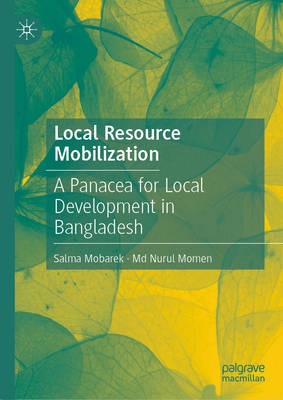
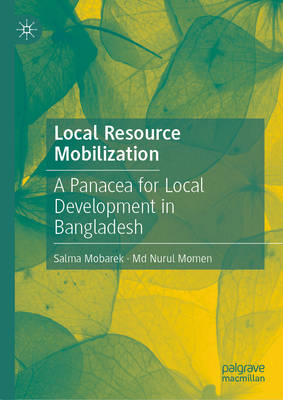
Local Resource Mobilization
A Panacea for Local Development in Bangladesh
Salma Mobarek, MD Nurul Momen
Hardcover | Engels
€ 213,95
+ 427 punten
Omschrijving
Bangladesh has one of the most centralized local resource management systems in Asia. It is, however, one of the lowest-performing regions in terms of local resource mobilization. The book focuses on the union council, otherwise known as a Union Parishads (UPs), which is the smallest rural local government unit in Bangladesh. The book examines the legal provisions and practices of resource mobilization at UPs to understand the effects of resource mobilization on development activities and the obstacles encountered by UPs when attempting to mobilize resources. Based on the extensive empirical research into UPs, which includes surveys, focus group discussions, interviews, as well as a review of government reports, working papers, and legal frameworks, the authors argue that current legal provisions and practices in local resource mobilization are ineffective for their intended purpose. The book also suggests remedies and policy recommendations for the effective mobilization of local resources.
Specificaties
Betrokkenen
- Auteur(s):
- Uitgeverij:
Inhoud
- Aantal bladzijden:
- 187
- Taal:
- Engels
Eigenschappen
- Productcode (EAN):
- 9783032023551
- Verschijningsdatum:
- 2/10/2025
- Uitvoering:
- Hardcover
- Formaat:
- Genaaid
- Afmetingen:
- 150 mm x 196 mm
- Gewicht:
- 385 g


Alleen bij Standaard Boekhandel
+ 427 punten op je klantenkaart van Standaard Boekhandel
SOLDEN


Beoordelingen
We publiceren alleen reviews die voldoen aan de voorwaarden voor reviews. Bekijk onze voorwaarden voor reviews.