


- Afhalen na 1 uur in een winkel met voorraad
- Gratis thuislevering in België vanaf € 30
- Ruim aanbod met 7 miljoen producten
- Afhalen na 1 uur in een winkel met voorraad
- Gratis thuislevering in België vanaf € 30
- Ruim aanbod met 7 miljoen producten




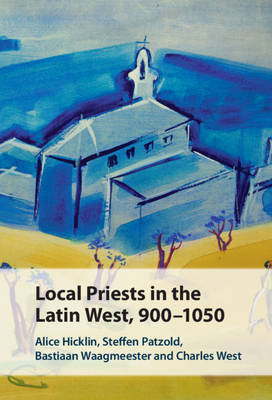
Local Priests in the Latin West, 900-1050
Alice Hicklin, Steffen Patzold, Bastiaan Waagmeester
Hardcover | Engels
€ 187,45
+ 374 punten
Omschrijving
The local priest was the most ubiquitous embodiment of the Church for many people in medieval Christian Europe. By centring this key figure in post-Carolingian Europe, this book provides a fresh perspective on the transition between two focuses of historiographical attention, the Carolingian reform and the Gregorian reform. This pivot away from Church elites such as popes, bishops and abbots, and the institutional structures of dioceses and parishes, sheds light on new lines of continuity and moments of transformation, examining the resources and kinship ties of local priests and assessing their relationship with the bishop at both the collective and the individual level. It draws on a variety of methodologies and forms of evidence, ranging from the detailed study of specific manuscripts to wide-ranging overviews of liturgical and documentary evidence. This title is also available as Open Access on Cambridge Core.
Specificaties
Betrokkenen
- Auteur(s):
- Uitgeverij:
Inhoud
- Aantal bladzijden:
- 312
- Taal:
- Engels
Eigenschappen
- Productcode (EAN):
- 9781009575355
- Verschijningsdatum:
- 13/11/2025
- Uitvoering:
- Hardcover
- Formaat:
- Genaaid
- Afmetingen:
- 152 mm x 229 mm
- Gewicht:
- 585 g


Alleen bij Standaard Boekhandel
+ 374 punten op je klantenkaart van Standaard Boekhandel
Cadeau

AANGERADEN


Beoordelingen
We publiceren alleen reviews die voldoen aan de voorwaarden voor reviews. Bekijk onze voorwaarden voor reviews.