Standaard Boekhandel gebruikt cookies en gelijkaardige technologieën om de website goed te laten werken en je een betere surfervaring te bezorgen.
Hieronder kan je kiezen welke cookies je wilt inschakelen:
Technische en functionele cookies
Deze cookies zijn essentieel om de website goed te laten functioneren, en laten je toe om bijvoorbeeld in te loggen. Je kan deze cookies niet uitschakelen.
Analytische cookies
Deze cookies verzamelen anonieme informatie over het gebruik van onze website. Op die manier kunnen we de website beter afstemmen op de behoeften van de gebruikers.
Marketingcookies
Deze cookies delen je gedrag op onze website met externe partijen, zodat je op externe platformen relevantere advertenties van Standaard Boekhandel te zien krijgt.
Bedankt voor het vertrouwen het afgelopen jaar! Om jou te bedanken bieden we GRATIS verzending (in België) aan op alles gedurende de hele maand januari.
Afhalen na 1 uur in een winkel met voorraad
In januari gratis thuislevering in België
Ruim aanbod met 7 miljoen producten
Bedankt voor het vertrouwen het afgelopen jaar! Om jou te bedanken bieden we GRATIS verzending (in België) aan op alles gedurende de hele maand januari.
Je kan maximaal 250 producten tegelijk aan je winkelmandje toevoegen. Verwijdere enkele producten uit je winkelmandje, of splits je bestelling op in meerdere bestellingen.
In januari gratis thuislevering in België (via bpost)
Gratis levering in je Standaard Boekhandel
Omschrijving
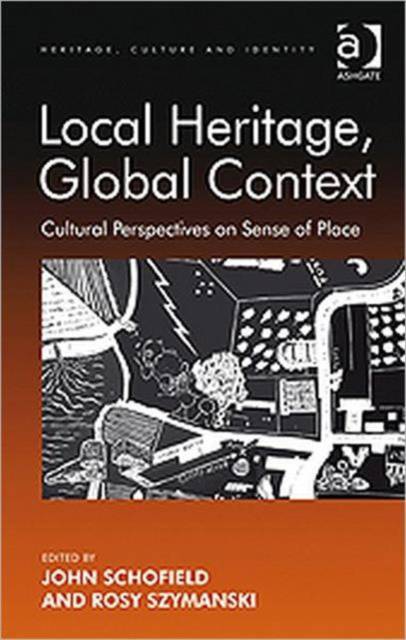
'Sense of place' has become a familiar phrase, used to describe emotional attachment to a particular location. As heritage management policy and practices increasingly attempt to draw on the views and expressions of interest amongst local communities, it is important to have a better grasp of what people mean by this concept, and to assess its uses and implications. Here, a range of practitioners from NGO, agency, cultural heritage and archaeological backgrounds review the meanings of 'sense of place', and where it is useful in the context of heritage management practice. This volume breaks new ground in specifically addressing place attachment from a cultural heritage perspective, and drawing on local and national interests from a diversity of cultural situations. Illustrated with case studies from around Europe and Australia, the book addresses key themes, including the rootedness amongst communities in the past; policy-making for accommodating senses of place within planning and management, for land- sea- and city-scapes; official versus unofficial views; and the often difficult balance between planning policies that extend from regional to global scale, and local actions and perceptions.