


- Afhalen na 1 uur in een winkel met voorraad
- Gratis thuislevering in België vanaf € 30
- Ruim aanbod met 7 miljoen producten
- Afhalen na 1 uur in een winkel met voorraad
- Gratis thuislevering in België vanaf € 30
- Ruim aanbod met 7 miljoen producten





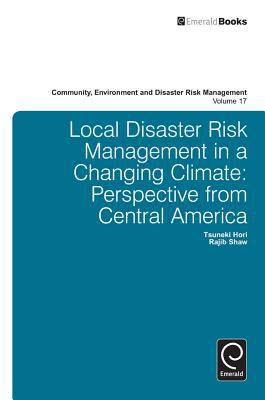
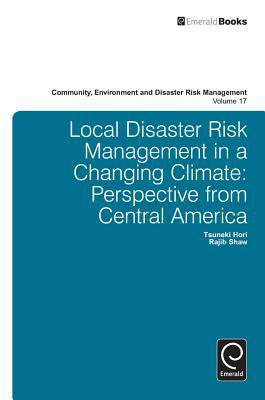
Local Disaster Risk Management in a Changing Climate
Perspective from Central America
€ 267,45
+ 534 punten
Omschrijving
"Disasters cause economic as well as human losses. Indeed, economic losses associated directly with disasters have continued at increasing proportions worldwide since the 1970s, as the 2011 Global Assessment Report on Disaster Risk Reduction conducted by the United Nations International Strategy for Disaster Reduction (UNISDR) illustrates. Disaster losses due to single geological events sometimes appear much greater in magnitude than those attributed to climate-related disasters. Nonetheless, the overall trend for increasing loss can largely be attributed to the increase in climate-related disasters, which in turn is triggered in part by global climate change. Furthermore, as such disasters increase in frequency, it intensifies vulnerability in the poorest regions of developing countries. In this book, the authors discuss effective approaches to enhancing the local disaster risk management (DRM) capacity of developing countries to combat increasing climate-related disaster impacts. Also provided are ideas and lessons on local disaster risk management, in terms of planning and practice in developing countries, with particular focus on a case study in Costa Rica."
Specificaties
Betrokkenen
- Uitgeverij:
Inhoud
- Aantal bladzijden:
- 216
- Taal:
- Engels
- Reeks:
- Reeksnummer:
- nr. 17
Eigenschappen
- Productcode (EAN):
- 9781783509355
- Verschijningsdatum:
- 18/09/2014
- Uitvoering:
- Hardcover
- Formaat:
- Genaaid
- Afmetingen:
- 152 mm x 231 mm
- Gewicht:
- 453 g

Alleen bij Standaard Boekhandel
+ 534 punten op je klantenkaart van Standaard Boekhandel
Cadeau

AANGERADEN


Beoordelingen
We publiceren alleen reviews die voldoen aan de voorwaarden voor reviews. Bekijk onze voorwaarden voor reviews.