


- Afhalen na 1 uur in een winkel met voorraad
- Gratis thuislevering in België vanaf € 30
- Ruim aanbod met 7 miljoen producten
- Afhalen na 1 uur in een winkel met voorraad
- Gratis thuislevering in België vanaf € 30
- Ruim aanbod met 7 miljoen producten





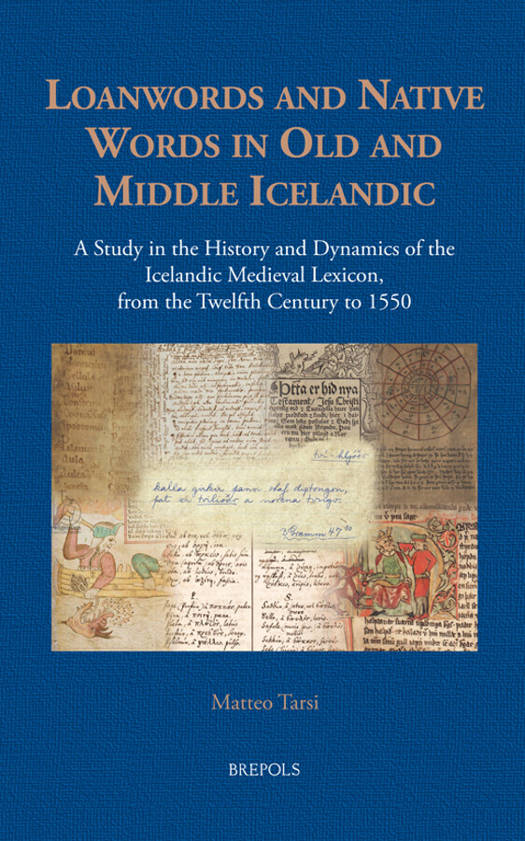
Loanwords and Native Words in Old and Middle Icelandic (12th C.- 1550)
A Study in the History and Dynamics of the Icelandic Medieval Lexicon
Matteo Tarsi
€ 90,10
+ 180 punten
Eenvoudig bestellen
Veilig betalen


Gratis thuislevering vanaf € 30 (via bpost)
Gratis levering in je Standaard Boekhandel
Omschrijving
Anyone familiar with the Modern Icelandic language will know that the country's policy is to avoid borrowing lexemes from other languages, and instead to draw on their own vocabulary. This often results in the formation of a word pair, consisting of a loanword and its respective native equivalent, as the process of borrowing systematically eludes the tight tangles of language policy. But how did this phenomenon develop in the Middle Ages, before a purist ideology was formed? This volume offers a unique analysis of a previously unexplored area of Old Norse linguistics by investigating the way in which loanwords and native synonyms interacted in the Middle Ages. Through a linguistic-philological investigation of texts from all medieval Icelandic prose genres, the book maps out the strategies by which the variation and interplay between loanwords and native words were manifested in medieval Iceland and suggests that it is possible to identify the same dynamics in other languages with a comparable literary tradition. In doing so, new light is shed on language development and usage in the Middle Ages, and the gap between case-study and general linguistic theory is bridged over.
Specificaties
Betrokkenen
- Auteur(s):
- Uitgeverij:
Inhoud
- Aantal bladzijden:
- 265
- Taal:
- Engels
- Reeks:
- Reeksnummer:
- nr. 4
Eigenschappen
- Productcode (EAN):
- 9782503598154
- Verschijningsdatum:
- 11/08/2022
- Uitvoering:
- Hardcover
- Formaat:
- Genaaid
- Afmetingen:
- 162 mm x 240 mm
- Gewicht:
- 680 g


Alleen bij Standaard Boekhandel
+ 180 punten op je klantenkaart van Standaard Boekhandel
CADEAU

AANGERADEN


Beoordelingen
We publiceren alleen reviews die voldoen aan de voorwaarden voor reviews. Bekijk onze voorwaarden voor reviews.