


- Afhalen na 1 uur in een winkel met voorraad
- Gratis thuislevering in België vanaf € 30
- Ruim aanbod met 7 miljoen producten
- Afhalen na 1 uur in een winkel met voorraad
- Gratis thuislevering in België vanaf € 30
- Ruim aanbod met 7 miljoen producten





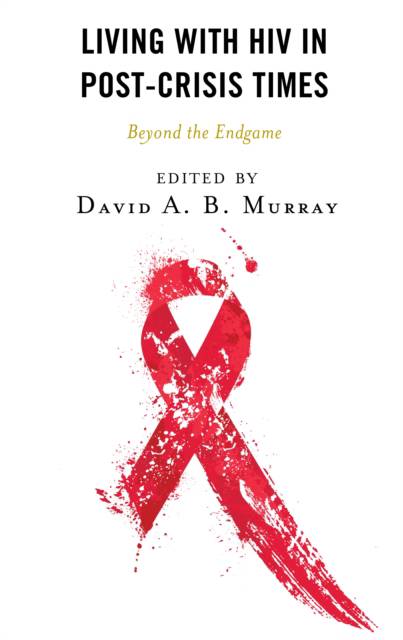
Living with HIV in Post-Crisis Times
Beyond the Endgame
€ 203,95
+ 407 punten
Omschrijving
Over the past decade, effective prevention and treatment policies have resulted in global health organizations claiming that the end of the HIV/AIDS crisis is near and that HIV/AIDS is now a chronic but manageable disease. These proclamations have been accompanied by stagnant or decreasing public interest in and financial support for people living with HIV and the organizations that support them, minimizing significant global disparities in the management and control of the HIV pandemic. The contributors to this edited collection explore how diverse communities of people living with HIV (PLHIV) and organizations that support them are navigating physical, social, political, and economic challenges during these so-called "post-crisis" times.
Specificaties
Betrokkenen
- Uitgeverij:
Inhoud
- Aantal bladzijden:
- 254
- Taal:
- Engels
- Reeks:
Eigenschappen
- Productcode (EAN):
- 9781666901481
- Verschijningsdatum:
- 18/08/2021
- Uitvoering:
- Hardcover
- Formaat:
- Genaaid
- Afmetingen:
- 152 mm x 229 mm
- Gewicht:
- 512 g

Alleen bij Standaard Boekhandel
+ 407 punten op je klantenkaart van Standaard Boekhandel
Cadeau

AANGERADEN


Beoordelingen
We publiceren alleen reviews die voldoen aan de voorwaarden voor reviews. Bekijk onze voorwaarden voor reviews.