


- Afhalen na 1 uur in een winkel met voorraad
- Gratis thuislevering in België vanaf € 30
- Ruim aanbod met 7 miljoen producten
- Afhalen na 1 uur in een winkel met voorraad
- Gratis thuislevering in België vanaf € 30
- Ruim aanbod met 7 miljoen producten





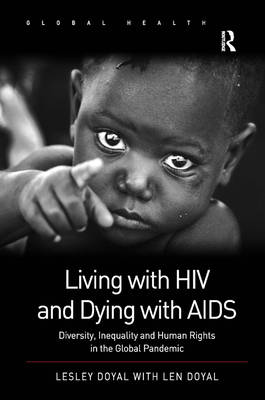
Living with HIV and Dying with AIDS
Diversity, Inequality, and Human Rights in the Global Pandemic
Lesley Doyal
€ 343,45
+ 686 punten
Uitvoering
Omschrijving
Doyal brings together findings from a wide range of empirical studies spanning the social sciences to explore experiences of HIV positive people across the world. This will illustrate how the disease is physically manifested and psychologically internalised by individuals in diverse ways depending on the biological, social, cultural and economic circumstances in which they find themselves. A proper understanding of these commonalities and differences will be essential if future strategies are to be effective in mitigating the effects of HIV and AIDS.
Specificaties
Betrokkenen
- Auteur(s):
- Uitgeverij:
Inhoud
- Aantal bladzijden:
- 264
- Taal:
- Engels
- Reeks:
Eigenschappen
- Productcode (EAN):
- 9781409431107
- Verschijningsdatum:
- 23/05/2013
- Uitvoering:
- Hardcover
- Formaat:
- Genaaid
- Afmetingen:
- 156 mm x 234 mm
- Gewicht:
- 548 g


Alleen bij Standaard Boekhandel
+ 686 punten op je klantenkaart van Standaard Boekhandel
Cadeau

AANGERADEN


Beoordelingen
We publiceren alleen reviews die voldoen aan de voorwaarden voor reviews. Bekijk onze voorwaarden voor reviews.