


- Afhalen na 1 uur in een winkel met voorraad
- Gratis thuislevering in België vanaf € 30
- Ruim aanbod met 7 miljoen producten
- Afhalen na 1 uur in een winkel met voorraad
- Gratis thuislevering in België vanaf € 30
- Ruim aanbod met 7 miljoen producten





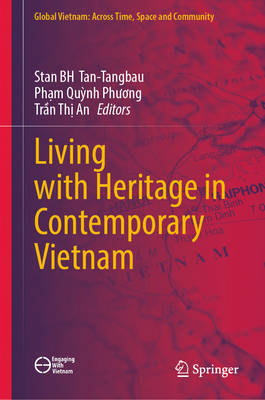
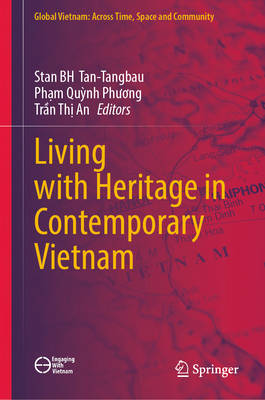
Living with Heritage in Contemporary Vietnam
€ 259,45
+ 518 punten
Omschrijving
This book unpacks the multifaceted ways of living with heritage in contemporary Vietnam. It shows how heritage shapes our community and shines possible directions of pathways to the future(s). It also shows that heritage is something being reconfigured, recombined, or compounded (and sometimes erased) over time and across space through changing contexts. Within this collection, the chapters cover a broad range of these aspects of heritage: The first shows how heritage is mobilized as a key instrument in constructing a national cultural identity, followed by a call for the preservation of the collective housing complex, a significant architectural symbol of life during the Subsidy Period. Another then examines passive design in the traditional Cham house, a living heritage hiding in plain sight, and the book goes on to highlight the dark aspect of heritage by recounting the construction process of the Dian-Việt Railway. Using the case of the arch bridges of Huế Imperial City across Ngự Hà River, another chapter demonstrates the contradiction between preservation and living with the needs of the present. One author shows how performance of intangible cultural heritage is a collaborative process that involves diverse actors, and the next unveils the dedicated commitment of folklore practitioners and heritage scholars in ensuring Mother Goddesses worship belief practices lives on in the face of political and social challenges. Finally, the book recounts the dedicated contribution by heritage researchers working on the Complex of Huế Monuments, key actors in the heritage field whom we often take for granted. Relevant to scholars in cultural studies, history, archaeology, and heritage studies, specifically, and to Southeast Asian humanities and social science researchers more broadly, particularly those with a specific interest in Vietnam, this is a timely contribution to discussions on Vietnamese heritage - past, present, and future.
Specificaties
Betrokkenen
- Uitgeverij:
Inhoud
- Aantal bladzijden:
- 225
- Taal:
- Engels
- Reeks:
Eigenschappen
- Productcode (EAN):
- 9789819545889
- Verschijningsdatum:
- 17/02/2026
- Uitvoering:
- Hardcover
- Formaat:
- Genaaid
- Afmetingen:
- 156 mm x 234 mm
- Gewicht:
- 512 g

Alleen bij Standaard Boekhandel
+ 518 punten op je klantenkaart van Standaard Boekhandel
Cadeau

AANGERADEN


Beoordelingen
We publiceren alleen reviews die voldoen aan de voorwaarden voor reviews. Bekijk onze voorwaarden voor reviews.