


- Afhalen na 1 uur in een winkel met voorraad
- Gratis thuislevering in België vanaf € 30
- Ruim aanbod met 7 miljoen producten
- Afhalen na 1 uur in een winkel met voorraad
- Gratis thuislevering in België vanaf € 30
- Ruim aanbod met 7 miljoen producten





Omschrijving
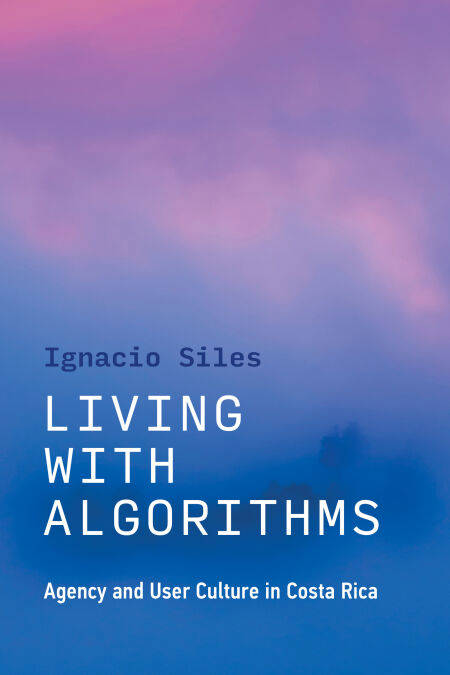
A nuanced account from a user perspective of what it’s like to live in a datafied world.
We live in a media-saturated society that increasingly transforms our experiences, relations, and identities into data others can analyze and monetize. Algorithms are key to this process, surveilling our most mundane practices, and to many, their control over our lives seems absolute. In Living with Algorithms, Ignacio Siles critically challenges this view by surveying user dynamics in the global south across three algorithmic platforms—Netflix, Spotify, and TikTok—and finds, surprisingly, a more balanced relationship.
Drawing on a wealth of empirical evidence that privileges the user over the corporate, Siles examines the personal relationships that have formed between users and algorithms as Latin Americans have integrated these systems into the structures of everyday life, enacted them ritually, participated in public with and through them, and thwarted them. Sometimes users follow algorithms, Siles finds, and sometimes users resist them. At times, users do both. Agency lies in the navigation of the spaces in-between.
By analyzing what we do with algorithms rather than what algorithms do to us, Living with Algorithms clarifies the debate over the future of datafication and whether we have a say in its development. Concentrating on an understudied region of the global south, the book provides a new perspective on the commonalities and differences among users within a global ecology of technologies.
We live in a media-saturated society that increasingly transforms our experiences, relations, and identities into data others can analyze and monetize. Algorithms are key to this process, surveilling our most mundane practices, and to many, their control over our lives seems absolute. In Living with Algorithms, Ignacio Siles critically challenges this view by surveying user dynamics in the global south across three algorithmic platforms—Netflix, Spotify, and TikTok—and finds, surprisingly, a more balanced relationship.
Drawing on a wealth of empirical evidence that privileges the user over the corporate, Siles examines the personal relationships that have formed between users and algorithms as Latin Americans have integrated these systems into the structures of everyday life, enacted them ritually, participated in public with and through them, and thwarted them. Sometimes users follow algorithms, Siles finds, and sometimes users resist them. At times, users do both. Agency lies in the navigation of the spaces in-between.
By analyzing what we do with algorithms rather than what algorithms do to us, Living with Algorithms clarifies the debate over the future of datafication and whether we have a say in its development. Concentrating on an understudied region of the global south, the book provides a new perspective on the commonalities and differences among users within a global ecology of technologies.
Specificaties
Betrokkenen
- Auteur(s):
- Uitgeverij:
Inhoud
- Aantal bladzijden:
- 234
- Taal:
- Engels
Eigenschappen
- Productcode (EAN):
- 9780262374194
- Verschijningsdatum:
- 24/04/2023
- Uitvoering:
- E-book
- Beveiligd met:
- Adobe DRM
- Formaat:
- ePub


Alleen bij Standaard Boekhandel
+ 39 punten op je klantenkaart van Standaard Boekhandel
AANGERADEN


Beoordelingen
We publiceren alleen reviews die voldoen aan de voorwaarden voor reviews. Bekijk onze voorwaarden voor reviews.