


- Afhalen na 1 uur in een winkel met voorraad
- Gratis thuislevering in België vanaf € 30
- Ruim aanbod met 7 miljoen producten
- Afhalen na 1 uur in een winkel met voorraad
- Gratis thuislevering in België vanaf € 30
- Ruim aanbod met 7 miljoen producten





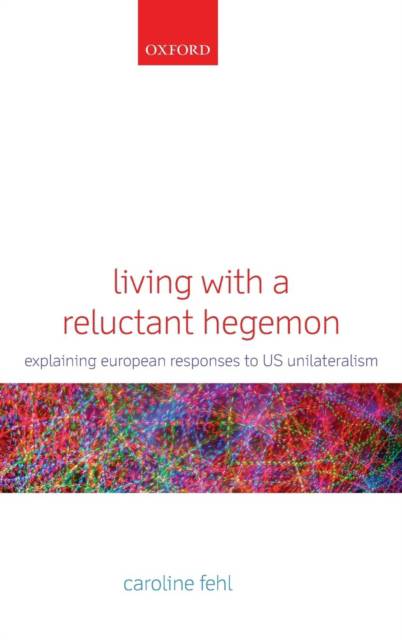
Living with a Reluctant Hegemon
Explaining European Responses to Us Unilateralism
Caroline Fehl
Hardcover | Engels
€ 163,45
Omschrijving
Living with a Reluctant Hegemon addresses a striking puzzle in contemporary world politics: why have European states responded in varying ways to recent unilateralist tendencies in US foreign policy? The United States played a hegemonic leadership role in building the post-war multilateral order but has been reluctant to embrace many recent multilateral treaty initiatives championed by its traditional European allies, such as the Kyoto Protocol on climate change, the International Criminal Court, or the verification protocol to the Biological Weapons Convention. European responses to US objections, however, have varied across these different transatlantic controversies. In some cases, European decision-makers watered down or abandoned contested treaties, whereas in other disputes, they opted for regime-building excluding the US, that is, for a strategy of non-hegemonic cooperation.
Specificaties
Betrokkenen
- Auteur(s):
- Uitgeverij:
Inhoud
- Aantal bladzijden:
- 270
- Taal:
- Engels
Eigenschappen
- Productcode (EAN):
- 9780199608621
- Verschijningsdatum:
- 2/03/2012
- Uitvoering:
- Hardcover
- Formaat:
- Genaaid
- Afmetingen:
- 155 mm x 234 mm
- Gewicht:
- 557 g



Alleen bij Standaard Boekhandel
AANGERADEN


Beoordelingen
We publiceren alleen reviews die voldoen aan de voorwaarden voor reviews. Bekijk onze voorwaarden voor reviews.