


- Afhalen na 1 uur in een winkel met voorraad
- Gratis thuislevering in België vanaf € 30
- Ruim aanbod met 7 miljoen producten
- Afhalen na 1 uur in een winkel met voorraad
- Gratis thuislevering in België vanaf € 30
- Ruim aanbod met 7 miljoen producten





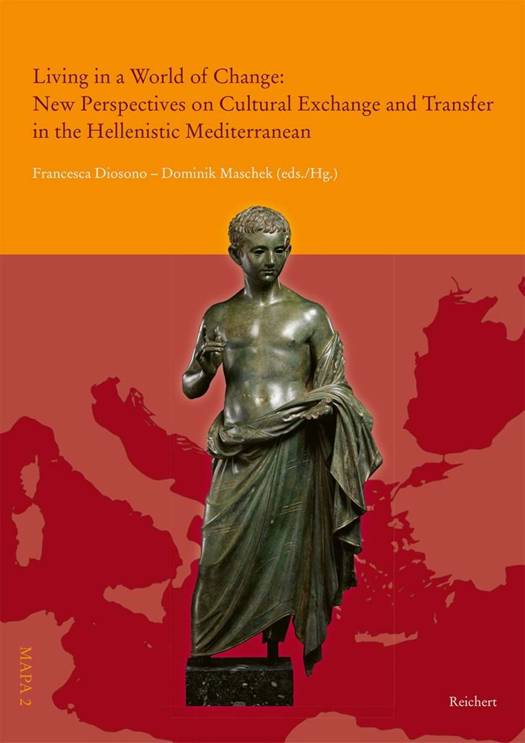
Living in a World of Change: New Perspectives on Cultural Exchange and Transfer in the Hellenistic Mediterranean
€ 122,95
+ 245 punten
Omschrijving
The purpose of the volume is to propose a New Perspective on Cultural Transformation in the Hellenistic Mediterranean, exploring the dynamic processes of cultural formation with a collection of essays, which offer fresh insights into how the material world - from objects and buildings to texts and inscriptions - played a central role in negotiating values and ideas across time and space.
Through a series of case studies and in-depth explorations, the contributors tackle pressing questions, such as:
How did objects, structures, and writings communicate and shape societal values?
In what ways did these material forms reflect and actively transform the social context of the era?
How did Roman hegemony influence pre-existing institutions and cultural norms?
What role did 'foreign' objects and practices play in reshaping Roman and Italic traditions?
And how did the acquisition and display of prestige goods, languages, and styles both reinforce and disrupt social systems?
Bringing together diverse material evidence--art, architecture, inscriptions, and consumer goods--the chapters offer a nuanced understanding of cultural exchange, examining both its constructive and disruptive impacts, shedding light on the complex interplay of power, identity, and material culture that shaped the Hellenistic Mediterranean.
Through a series of case studies and in-depth explorations, the contributors tackle pressing questions, such as:
How did objects, structures, and writings communicate and shape societal values?
In what ways did these material forms reflect and actively transform the social context of the era?
How did Roman hegemony influence pre-existing institutions and cultural norms?
What role did 'foreign' objects and practices play in reshaping Roman and Italic traditions?
And how did the acquisition and display of prestige goods, languages, and styles both reinforce and disrupt social systems?
Bringing together diverse material evidence--art, architecture, inscriptions, and consumer goods--the chapters offer a nuanced understanding of cultural exchange, examining both its constructive and disruptive impacts, shedding light on the complex interplay of power, identity, and material culture that shaped the Hellenistic Mediterranean.
Specificaties
Betrokkenen
- Uitgeverij:
Inhoud
- Aantal bladzijden:
- 259
- Taal:
- Engels
- Reeks:
Eigenschappen
- Productcode (EAN):
- 9783752007855
- Verschijningsdatum:
- 19/03/2025
- Uitvoering:
- Hardcover
- Formaat:
- Genaaid
- Afmetingen:
- 216 mm x 22 mm
- Gewicht:
- 585 g

Alleen bij Standaard Boekhandel
+ 245 punten op je klantenkaart van Standaard Boekhandel
Cadeau

AANGERADEN


Beoordelingen
We publiceren alleen reviews die voldoen aan de voorwaarden voor reviews. Bekijk onze voorwaarden voor reviews.