


- Afhalen na 1 uur in een winkel met voorraad
- Gratis thuislevering in België vanaf € 30
- Ruim aanbod met 7 miljoen producten
- Afhalen na 1 uur in een winkel met voorraad
- Gratis thuislevering in België vanaf € 30
- Ruim aanbod met 7 miljoen producten





€ 20,95
+ 41 punten
Eenvoudig bestellen
Veilig betalen


Gratis thuislevering vanaf € 30 (via bpost)
Gratis levering in je Standaard Boekhandel
Omschrijving
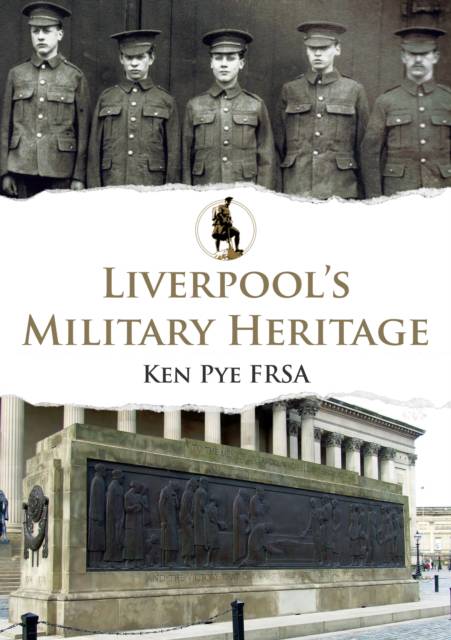
Liverpool was founded by King John in 1207 as a military base on the River Mersey. From his new town the king planned to invade Ireland, Scotland, Wales, and the Isle of Man. Heavily fortified, and defended by a great castle and a formidable tower, Liverpool was besieged and changed hands three times during the English Civil War. Volunteer troops from the town later helped defend the region against the Jacobite Rebellions of 1715 and 1745, and was then the scene of grisly executions of Scots rebels. In the eighteenth and nineteenth centuries Liverpool developed into one of the most significant ports in the British Empire. Defences were built to fend off attacks during the American Revolutionary War and the Napoleonic Wars. Liverpool also secretly built ships for the Confederate Navy during the American Civil War, the last acts of which were the surrender of an American warship on the Mersey and of its commander in Liverpool Town Hall. The Kings Liverpool Regiment was one of a number of local volunteer forces that were core to the culture and economy, particularly of working-class Liverpool. In the First World War many local young men joined the famous 'Liverpool Pals' regiments and the Territorials. In the Second World War Liverpool played a crucial role in the Battle of the Atlantic, which was directed and won in secret bunkers under the city centre. These still exist and are open to the public - telling the story of how Liverpool defended the North Atlantic convoys that kept the country alive during the war. The most heavily bombed city in Britain outside London, Liverpool was devastated by the end of the conflict, but has now rebuilt itself and reclaimed its role as a world-class city. However, Liverpool still sends its sons and daughters to military and naval service around the world, in defence and on behalf of Great Britain. Join local author Ken Pye as he guides the reader through the military history of this remarkable city.
Specificaties
Betrokkenen
- Auteur(s):
- Uitgeverij:
Inhoud
- Aantal bladzijden:
- 96
- Taal:
- Engels
- Reeks:
Eigenschappen
- Productcode (EAN):
- 9781445688626
- Verschijningsdatum:
- 15/11/2018
- Uitvoering:
- Paperback
- Formaat:
- Trade paperback (VS)
- Afmetingen:
- 165 mm x 234 mm
- Gewicht:
- 301 g


Alleen bij Standaard Boekhandel
+ 41 punten op je klantenkaart van Standaard Boekhandel
CADEAU

AANGERADEN


Beoordelingen
We publiceren alleen reviews die voldoen aan de voorwaarden voor reviews. Bekijk onze voorwaarden voor reviews.