


- Afhalen na 1 uur in een winkel met voorraad
- Gratis thuislevering in België vanaf € 30
- Ruim aanbod met 7 miljoen producten
- Afhalen na 1 uur in een winkel met voorraad
- Gratis thuislevering in België vanaf € 30
- Ruim aanbod met 7 miljoen producten





€ 88,45
+ 176 punten
Uitvoering
Eenvoudig bestellen
Veilig betalen


Gratis thuislevering vanaf € 30 (via bpost)
Gratis levering in je Standaard Boekhandel
Omschrijving
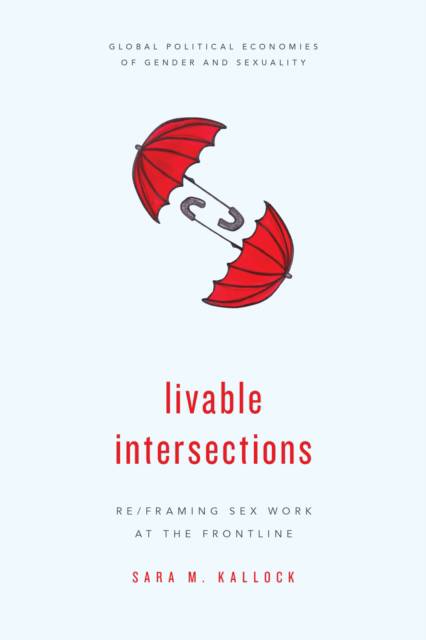
What is it like to live a life that is impossible? For many sex workers, life is lived at the crossroads of exclusion and assimilation, a crossroads where one is beset by vulnerability and regulation, where one is simultaneously blamed, victimized, and infantilized. Within this context of heteronormativity, sex working experiences are defined by multiple and overlapping forms of marginalization. Social support services are widely thought to provide a crucial bulwark against such unlivable realities by empowering service users to manage (and even overcome) their oppressive circumstances. Yet, such services are themselves often entangled with the social, cultural, and political processes that engender the disavowal of "sex" as a form of "work" and the attendant marginalization of sex workers. Bringing together insights from Judith Butler and intersectionality, Livable Intersections: Re/Framing Sex Work at the Frontline investigates the dynamics of frontline policy practice and in livability offers a new vision for designing, implementing, and valuing sex worker support services.
Specificaties
Betrokkenen
- Auteur(s):
- Uitgeverij:
Inhoud
- Aantal bladzijden:
- 180
- Taal:
- Engels
- Reeks:
Eigenschappen
- Productcode (EAN):
- 9781786604484
- Verschijningsdatum:
- 28/01/2019
- Uitvoering:
- Paperback
- Formaat:
- Trade paperback (VS)
- Afmetingen:
- 150 mm x 226 mm
- Gewicht:
- 272 g


Alleen bij Standaard Boekhandel
+ 176 punten op je klantenkaart van Standaard Boekhandel
CADEAU

AANGERADEN


Beoordelingen
We publiceren alleen reviews die voldoen aan de voorwaarden voor reviews. Bekijk onze voorwaarden voor reviews.