



Je cadeautjes zeker op tijd in huis hebben voor de feestdagen? Kom langs in onze winkels en vind het perfecte geschenk!
- Afhalen na 1 uur in een winkel met voorraad
- Gratis thuislevering in België vanaf € 30
- Ruim aanbod met 7 miljoen producten
Je cadeautjes zeker op tijd in huis hebben voor de feestdagen? Kom langs in onze winkels en vind het perfecte geschenk!
- Afhalen na 1 uur in een winkel met voorraad
- Gratis thuislevering in België vanaf € 30
- Ruim aanbod met 7 miljoen producten





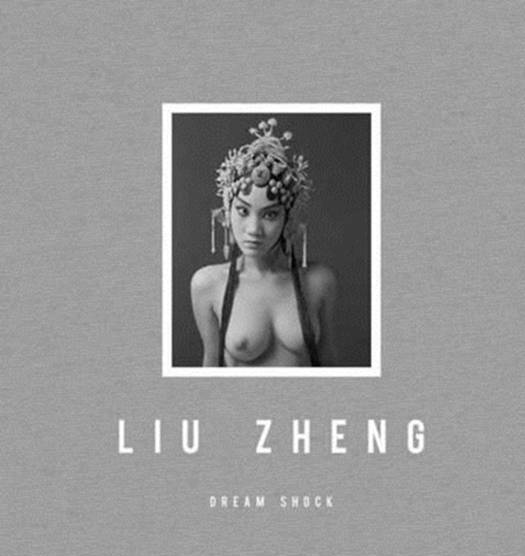
Omschrijving
Liu Zheng (born 1969) is one of the few Chinese photographers whose work has reached the West. The exhibition of his extensive series The Chinese at ICP in New York in 2004 and the accompanying publication indicated he was working on the borders between the documentary tradition and the extended portrait school of August Sander. His background on the Workers' Daily suggests his grounding as a photojournalist. Yet Liu Zheng's vision does not echo the common view of China, characterized by anonymity in the sheer mass of the population, or by the momentum of industry. Frequently the subjects of his portraits are those on the fringes of Chinese society. Dream Shock brings us to another space that exists in the mind itself. Some of the characters, such as a Peking Opera singer, may be half-familiar, but the historical references to occupation and the sexual explicitness take us into unprecedented territory.


Alleen bij Standaard Boekhandel
+ 98 punten op je klantenkaart van Standaard Boekhandel
CADEAU


Beoordelingen
We publiceren alleen reviews die voldoen aan de voorwaarden voor reviews. Bekijk onze voorwaarden voor reviews.