


- Afhalen na 1 uur in een winkel met voorraad
- Gratis thuislevering in België vanaf € 30
- Ruim aanbod met 7 miljoen producten
- Afhalen na 1 uur in een winkel met voorraad
- Gratis thuislevering in België vanaf € 30
- Ruim aanbod met 7 miljoen producten





Omschrijving
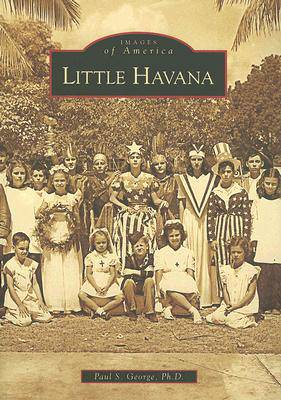
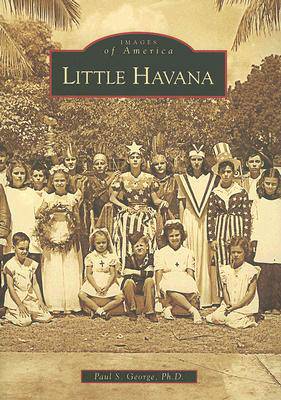
For the past 50 years, Cuban refugees and Central American immigrants have moved to an old quarter of Miami known as Little Havana. This internationally known community is famous for its sizzle, its heated ethnic politics, its entrepreneurial zest, and its colorful street life and celebrations. Before it became Little Havana, the area was home to a vast array of people, including white and black Bahamians, Jews, people from parts of the Middle East, and folks with Deep South pedigrees. The quarter's most famous neighborhoods then were Riverside and Shenandoah. Riverside emerged from the piney woods at the start of the 19th century and hosted some of the earliest city institutions, as well as picturesque homes and tree-shaded streets. Shenandoah was farmland as late as the 1920s, before a real estate boom transformed it into a neighborhood of gorgeous Mediterranean Revival-style homes. Southwest Eighth Street, the famed Calle Ocho, once divided the two neighborhoods, but the vast influx of Hispanics erased that division as the thoroughfare developed its own identity.
Specificaties
Betrokkenen
- Auteur(s):
- Uitgeverij:
Inhoud
- Aantal bladzijden:
- 128
- Taal:
- Engels
- Reeks:
Eigenschappen
- Productcode (EAN):
- 9780738543451
- Verschijningsdatum:
- 1/03/2007
- Uitvoering:
- Paperback
- Formaat:
- Trade paperback (VS)
- Afmetingen:
- 167 mm x 234 mm
- Gewicht:
- 322 g


Alleen bij Standaard Boekhandel
+ 69 punten op je klantenkaart van Standaard Boekhandel
Cadeau

AANGERADEN


Beoordelingen
We publiceren alleen reviews die voldoen aan de voorwaarden voor reviews. Bekijk onze voorwaarden voor reviews.