


- Afhalen na 1 uur in een winkel met voorraad
- Gratis thuislevering in België vanaf € 30
- Ruim aanbod met 7 miljoen producten
- Afhalen na 1 uur in een winkel met voorraad
- Gratis thuislevering in België vanaf € 30
- Ruim aanbod met 7 miljoen producten





Omschrijving
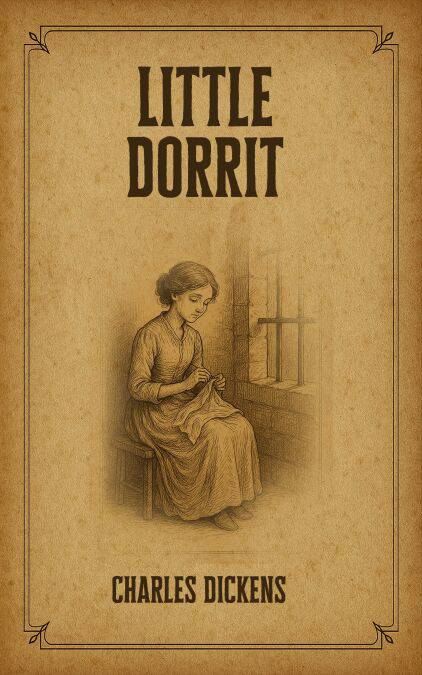
Little Dorrit is a deeply moving and socially incisive novel by Charles Dickens that explores poverty, pride, bureaucracy, and the enduring power of compassion. Set against the backdrop of Victorian England, the story offers a sweeping portrait of society—from the grim confines of a debtors' prison to the glittering yet hollow world of wealth and status.
At the heart of the novel is Amy Dorrit, known as "Little Dorrit," a gentle and selfless young woman born and raised within the walls of the Marshalsea Prison, where her father has been imprisoned for debt. Despite her harsh circumstances, Amy embodies kindness, humility, and quiet strength. Her life becomes intertwined with that of Arthur Clennam, a thoughtful and morally conflicted man seeking to uncover secrets from his family's past.
As the narrative unfolds, Dickens exposes the cruelty and inefficiency of rigid social institutions, particularly through his biting satire of government bureaucracy and financial systems. Characters rise and fall in fortune, revealing how wealth can corrupt, isolate, and ultimately imprison the soul just as surely as physical walls can imprison the body.
Little Dorrit is a powerful meditation on freedom—both external and internal. Through its richly drawn characters and intricate plot, the novel examines how love, loyalty, and moral integrity can endure even in the most oppressive conditions. Blending social criticism with deep emotional insight, the novel stands as one of Dickens's most profound and compassionate works, offering a timeless reflection on human dignity and resilience.
At the heart of the novel is Amy Dorrit, known as "Little Dorrit," a gentle and selfless young woman born and raised within the walls of the Marshalsea Prison, where her father has been imprisoned for debt. Despite her harsh circumstances, Amy embodies kindness, humility, and quiet strength. Her life becomes intertwined with that of Arthur Clennam, a thoughtful and morally conflicted man seeking to uncover secrets from his family's past.
As the narrative unfolds, Dickens exposes the cruelty and inefficiency of rigid social institutions, particularly through his biting satire of government bureaucracy and financial systems. Characters rise and fall in fortune, revealing how wealth can corrupt, isolate, and ultimately imprison the soul just as surely as physical walls can imprison the body.
Little Dorrit is a powerful meditation on freedom—both external and internal. Through its richly drawn characters and intricate plot, the novel examines how love, loyalty, and moral integrity can endure even in the most oppressive conditions. Blending social criticism with deep emotional insight, the novel stands as one of Dickens's most profound and compassionate works, offering a timeless reflection on human dignity and resilience.
Specificaties
Betrokkenen
- Auteur(s):
- Uitgeverij:
Inhoud
- Aantal bladzijden:
- 1177
- Taal:
- Engels
Eigenschappen
- Productcode (EAN):
- 9789625952994
- Verschijningsdatum:
- 4/02/2026
- Uitvoering:
- E-book
- Beveiligd met:
- Digital watermarking
- Formaat:
- ePub


Alleen bij Standaard Boekhandel
Cadeau

AANGERADEN


Beoordelingen
We publiceren alleen reviews die voldoen aan de voorwaarden voor reviews. Bekijk onze voorwaarden voor reviews.