


- Afhalen na 1 uur in een winkel met voorraad
- Gratis thuislevering in België vanaf € 30
- Ruim aanbod met 7 miljoen producten
- Afhalen na 1 uur in een winkel met voorraad
- Gratis thuislevering in België vanaf € 30
- Ruim aanbod met 7 miljoen producten





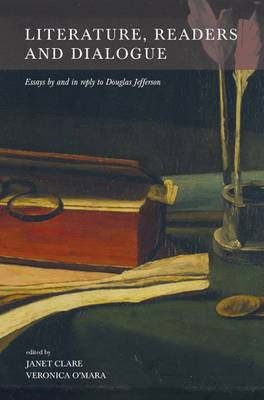
Literature, Readers and Dialogue
Essays by and in Reply to Douglas Jefferson
Douglas Jefferson, Janet Clarke, Veronica O'Mara
Hardcover | Engels
€ 58,95
+ 117 punten
Omschrijving
This collection of essays by Douglas Jefferson from various periods of his distinguished career and by fellow academics writing in response to his work represents a novel dialogic form of literary criticism. In his essays ranging from Shakespeare's "Hamlet" to the "Canon", Jefferson is always stimulating and engaging, while offering nuanced and informed readings of his chosen texts. Replying to Jefferson's work, contemporary critics have variously extended his ideas, disclosing new ways of reading texts in the light of current debate and more theoretical developments, or have adopted a more discursive strategy in using ideas derived from Jefferson's essays to provoke further explorations. Douglas Jefferson (1912-2001) spent virtually his entire academic life at the University of Leeds, starting as an undergraduate in the School of English in 1930, and interrupted only by his studies at the University of Oxford (Merton College), where he gained a B.Litt in 1937, and his educational services in Egypt during the Second World War.His was a career remarkable for distinguished service to his profession, comprising not only an extensive range of publications on writers from John Dryden to Iris Murdoch but in the care with which he nurtured and encouraged generations of students and colleagues both at home and abroad in the study of English literature.
Specificaties
Betrokkenen
- Auteur(s):
- Uitgeverij:
Inhoud
- Aantal bladzijden:
- 226
- Taal:
- Engels
Eigenschappen
- Productcode (EAN):
- 9781904558477
- Verschijningsdatum:
- 30/03/2006
- Uitvoering:
- Hardcover
- Formaat:
- Genaaid
- Afmetingen:
- 165 mm x 234 mm
- Gewicht:
- 544 g


Alleen bij Standaard Boekhandel
+ 117 punten op je klantenkaart van Standaard Boekhandel
Cadeau

AANGERADEN


Beoordelingen
We publiceren alleen reviews die voldoen aan de voorwaarden voor reviews. Bekijk onze voorwaarden voor reviews.