


- Afhalen na 1 uur in een winkel met voorraad
- Gratis thuislevering in België vanaf € 30
- Ruim aanbod met 7 miljoen producten
- Afhalen na 1 uur in een winkel met voorraad
- Gratis thuislevering in België vanaf € 30
- Ruim aanbod met 7 miljoen producten





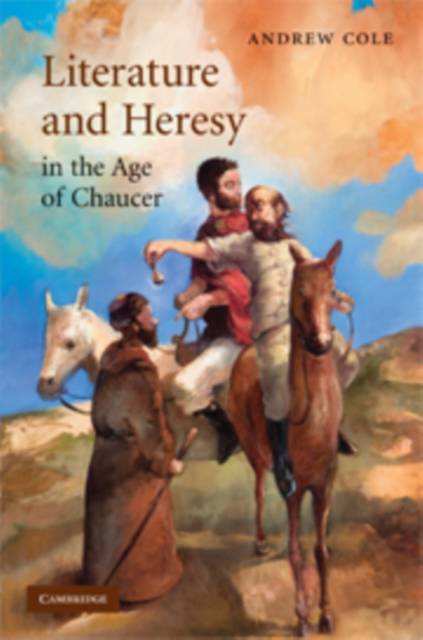
Omschrijving
After the late fourteenth century, English literature was fundamentally shaped by the heresy of John Wyclif and his followers. This study demonstrates how Geoffrey Chaucer, William Langland, John Clanvowe, Margery Kempe, Thomas Hoccleve and John Lydgate, far from eschewing Wycliffism out of fear of censorship or partisan distaste, viewed Wycliffite ideas as a distinctly new intellectual resource. Andrew Cole offers a complete historical account of the first official condemnation of Wycliffism - the Blackfriars council of 1382 - and the fullest study of 'lollardy' as a social and literary construct. Drawing on literary criticism, history, theology and law, he presents not only a fresh perspective on late medieval literature, but also an invaluable rethinking of the Wycliffite heresy. Literature and Heresy restores Wycliffism to its proper place as the most significant context for late medieval English writing, and thus for the origins of English literary history.
Specificaties
Betrokkenen
- Auteur(s):
- Uitgeverij:
Inhoud
- Aantal bladzijden:
- 322
- Taal:
- Engels
- Reeks:
- Reeksnummer:
- nr. 71
Eigenschappen
- Productcode (EAN):
- 9780521887915
- Verschijningsdatum:
- 31/07/2008
- Uitvoering:
- Hardcover
- Formaat:
- Genaaid
- Afmetingen:
- 157 mm x 231 mm
- Gewicht:
- 589 g


Alleen bij Standaard Boekhandel
+ 366 punten op je klantenkaart van Standaard Boekhandel

Beoordelingen
We publiceren alleen reviews die voldoen aan de voorwaarden voor reviews. Bekijk onze voorwaarden voor reviews.