


- Afhalen na 1 uur in een winkel met voorraad
- Gratis thuislevering in België vanaf € 30
- Ruim aanbod met 7 miljoen producten
- Afhalen na 1 uur in een winkel met voorraad
- Gratis thuislevering in België vanaf € 30
- Ruim aanbod met 7 miljoen producten





€ 191,95
+ 383 punten
Uitvoering
Eenvoudig bestellen
Veilig betalen


Gratis thuislevering vanaf € 30 (via bpost)
Gratis levering in je Standaard Boekhandel
Omschrijving
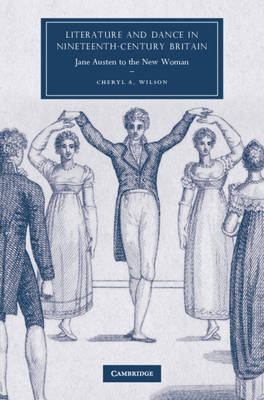
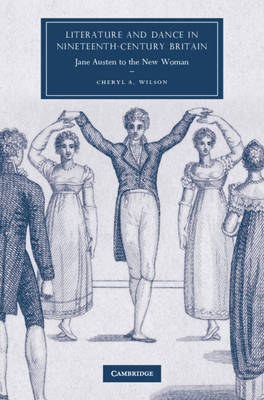
Literary critics often pursue analyses of music or painting and literature as 'sister arts', yet this was the first full-length study of the treatment of social dance in literature. A vital part of social life and courtship with its own symbolism, dance in the nineteenth century was a natural point of interest for novelists writing about these topics; and indeed ballroom scenes could themselves be used to further courtship narratives or illustrate other significant encounters. Including analyses of works by Jane Austen, W. M. Thackeray, George Eliot and Anthony Trollope, as well as extensive material from nineteenth-century dance manuals, Cheryl A. Wilson shows how dance provided a vehicle through which writers could convey social commentary and cultural critique on issues such as gender, social mobility and nationalism.
Specificaties
Betrokkenen
- Auteur(s):
- Uitgeverij:
Inhoud
- Aantal bladzijden:
- 220
- Taal:
- Engels
- Reeks:
- Reeksnummer:
- nr. 63
Eigenschappen
- Productcode (EAN):
- 9780521519090
- Verschijningsdatum:
- 26/03/2009
- Uitvoering:
- Hardcover
- Formaat:
- Ongenaaid / garenloos gebonden
- Afmetingen:
- 152 mm x 229 mm
- Gewicht:
- 498 g


Alleen bij Standaard Boekhandel
+ 383 punten op je klantenkaart van Standaard Boekhandel
CADEAU

AANGERADEN


Beoordelingen
We publiceren alleen reviews die voldoen aan de voorwaarden voor reviews. Bekijk onze voorwaarden voor reviews.