


- Afhalen na 1 uur in een winkel met voorraad
- Gratis thuislevering in België vanaf € 30
- Ruim aanbod met 7 miljoen producten
- Afhalen na 1 uur in een winkel met voorraad
- Gratis thuislevering in België vanaf € 30
- Ruim aanbod met 7 miljoen producten





€ 89,95
+ 179 punten
Uitvoering
Eenvoudig bestellen
Veilig betalen


Gratis thuislevering vanaf € 30 (via bpost)
Gratis levering in je Standaard Boekhandel
Omschrijving
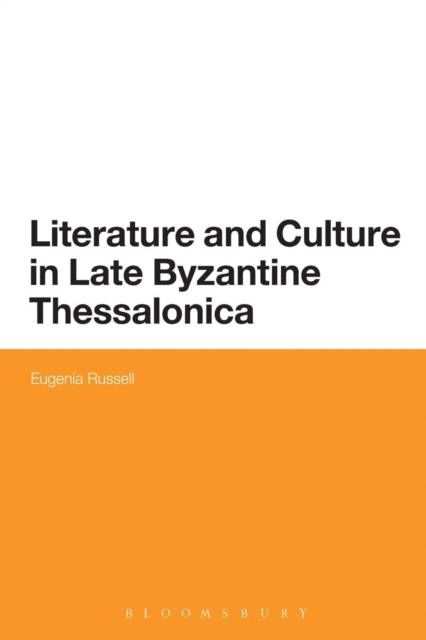
The 'long' fourteenth century perhaps can be seen as Thessalonica's heyday. Alongside its growing commercial prowess, the city was developing into an important centre of government, where members of the Byzantine imperial family of the Palaiologoi ruled independently under full imperial titles, striking coinage and following an increasingly autonomous external policy. It was also developing into a formidable centre for letters, education, and artistic expression, due in part to Palaiologan patronage. This volume sets out the political and commercial landscape of Thessalonica between 1303 and 1430, when the city fell to the Ottoman Turks, before focusing on the literary and hymnographical aspects of the city's cultural history and its legacy. The cosmopolitan nature of urban life in Thessalonica, the polyphony of opinions it experienced and expressed, its multiple links with centres such as Constantinople, Adrianople, Athos, Lemnos and Lesvos, and the diversity and strength of its authorial voices make the study of the city's cultural life a vital part of our understanding of the Byzantine Eastern Mediterranean.
Specificaties
Betrokkenen
- Auteur(s):
- Uitgeverij:
Inhoud
- Aantal bladzijden:
- 224
- Taal:
- Engels
Eigenschappen
- Productcode (EAN):
- 9781472587336
- Verschijningsdatum:
- 6/11/2014
- Uitvoering:
- Paperback
- Formaat:
- Trade paperback (VS)
- Afmetingen:
- 156 mm x 234 mm
- Gewicht:
- 340 g


Alleen bij Standaard Boekhandel
+ 179 punten op je klantenkaart van Standaard Boekhandel
CADEAU

AANGERADEN


Beoordelingen
We publiceren alleen reviews die voldoen aan de voorwaarden voor reviews. Bekijk onze voorwaarden voor reviews.