


- Afhalen na 1 uur in een winkel met voorraad
- Gratis thuislevering in België vanaf € 30
- Ruim aanbod met 7 miljoen producten
- Afhalen na 1 uur in een winkel met voorraad
- Gratis thuislevering in België vanaf € 30
- Ruim aanbod met 7 miljoen producten





€ 191,95
+ 383 punten
Uitvoering
Eenvoudig bestellen
Veilig betalen


Gratis thuislevering vanaf € 30 (via bpost)
Gratis levering in je Standaard Boekhandel
Omschrijving
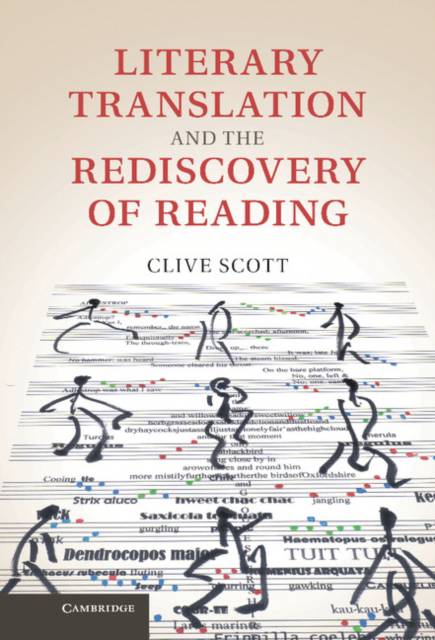
The act of translation is perhaps the ultimate performance of reading. By translating a text translators rework the source text into a reflection of their reading experience. In fact all reading is translation, as each reader incorporates associations and responses into the reading process. Clive Scott argues that the translator needs new linguistic resources to do justice to the intricacies of the reading consciousness, and explores different ways of envisaging the translation of a literary work, not only from one language to another, but also from one form to another within the same language. With examples drawn from different literatures, including English, this exciting new departure in translation theory has much to offer to students of literature and of comparative literary criticism. It also encourages all readers of literature to become translators in their turn, to use translation to express and give shape to their encounters with texts.
Specificaties
Betrokkenen
- Auteur(s):
- Uitgeverij:
Inhoud
- Aantal bladzijden:
- 240
- Taal:
- Engels
Eigenschappen
- Productcode (EAN):
- 9781107022300
- Verschijningsdatum:
- 26/07/2012
- Uitvoering:
- Hardcover
- Formaat:
- Genaaid
- Afmetingen:
- 157 mm x 234 mm
- Gewicht:
- 476 g


Alleen bij Standaard Boekhandel
+ 383 punten op je klantenkaart van Standaard Boekhandel
CADEAU

AANGERADEN


Beoordelingen
We publiceren alleen reviews die voldoen aan de voorwaarden voor reviews. Bekijk onze voorwaarden voor reviews.