


- Afhalen na 1 uur in een winkel met voorraad
- Gratis thuislevering in België vanaf € 30
- Ruim aanbod met 7 miljoen producten
- Afhalen na 1 uur in een winkel met voorraad
- Gratis thuislevering in België vanaf € 30
- Ruim aanbod met 7 miljoen producten





Omschrijving
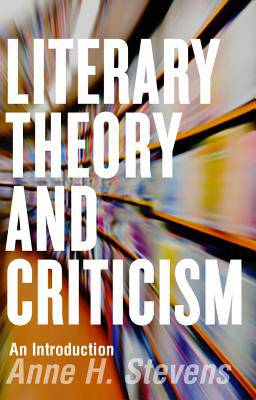
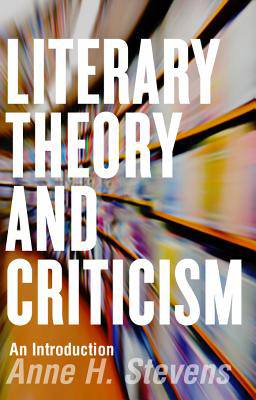
"Literary Theory and Criticism: An Introduction" provides an accessible overview of major figures and movements in literary theory and criticism from antiquity to the twenty-first century. It is designed for students at the undergraduate level or for others needing a broad synthesis of the long history of literary theory. An introductory chapter provides an overview of some of the major issues within literary theory and criticism; further chapters survey theory and criticism in antiquity, the Middle Ages and Renaissance, the Enlightenment, and the nineteenth century. For twentieth- and twenty-first-century theory, the discussion is subdivided into separate chapters on formalist, historicist, political, and psychoanalytic approaches. The final chapter applies a variety of theoretical concepts and approaches to two famous works of literature: William Shakespeare’s "Hamlet "and Mary Shelley’s"Frankenstein."
Specificaties
Betrokkenen
- Auteur(s):
- Uitgeverij:
Inhoud
- Aantal bladzijden:
- 300
- Taal:
- Engels
- Reeks:
Eigenschappen
- Productcode (EAN):
- 9781554812370
- Verschijningsdatum:
- 18/06/2015
- Uitvoering:
- Paperback
- Formaat:
- Trade paperback (VS)
- Afmetingen:
- 152 mm x 226 mm
- Gewicht:
- 381 g


Alleen bij Standaard Boekhandel
+ 69 punten op je klantenkaart van Standaard Boekhandel
Wedstrijd


Beoordelingen
We publiceren alleen reviews die voldoen aan de voorwaarden voor reviews. Bekijk onze voorwaarden voor reviews.