


- Afhalen na 1 uur in een winkel met voorraad
- Gratis thuislevering in België vanaf € 30
- Ruim aanbod met 7 miljoen producten
- Afhalen na 1 uur in een winkel met voorraad
- Gratis thuislevering in België vanaf € 30
- Ruim aanbod met 7 miljoen producten





€ 220,45
+ 440 punten
Omschrijving
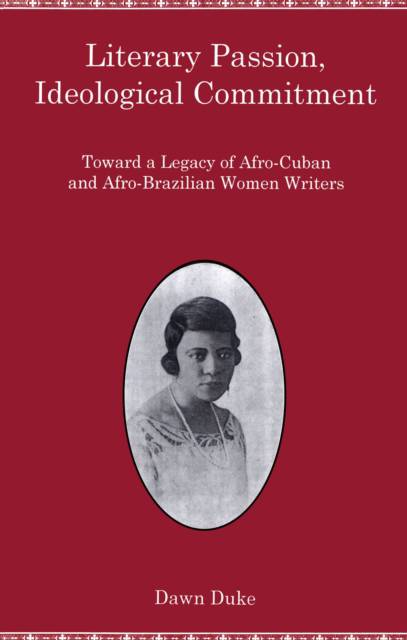
This study examines Afro-Cuban and Afro-Brazilian women writers, as well as analyzing the roles of women of African descent in Cuban and Brazilian literature. Initially, literary imagination locked women into circumscribed roles, a result of hierarchies embedded in slavery and coloniality, and sustained by hierarchical theories on race and gender. The discussion illustrates how these negative aspects have influenced the mainstream literary imagination that contrasts with the 'self-portrayals' created by women writers themselves. Even as there continues to be disadvantageous constructions, there is no doubt that a modification has occurred over time in images, representation, and articulation. It is a change directly associated with the instances when women themselves are the writers. The historiographic image of the Afro-Cuban and Afro-Brazilian woman as a written object is ideologically replaced by a vision of her as a writing subject. It is here that the vision of a creative, multifaceted, and diversified literature becomes important.
Specificaties
Betrokkenen
- Auteur(s):
- Uitgeverij:
Inhoud
- Aantal bladzijden:
- 277
- Taal:
- Engels
Eigenschappen
- Productcode (EAN):
- 9781611483031
- Verschijningsdatum:
- 1/10/2008
- Uitvoering:
- Hardcover
- Formaat:
- Genaaid
- Afmetingen:
- 160 mm x 234 mm
- Gewicht:
- 521 g


Alleen bij Standaard Boekhandel
+ 440 punten op je klantenkaart van Standaard Boekhandel
Cadeau

AANGERADEN


Beoordelingen
We publiceren alleen reviews die voldoen aan de voorwaarden voor reviews. Bekijk onze voorwaarden voor reviews.