


- Afhalen na 1 uur in een winkel met voorraad
- Gratis thuislevering in België vanaf € 30
- Ruim aanbod met 7 miljoen producten
- Afhalen na 1 uur in een winkel met voorraad
- Gratis thuislevering in België vanaf € 30
- Ruim aanbod met 7 miljoen producten





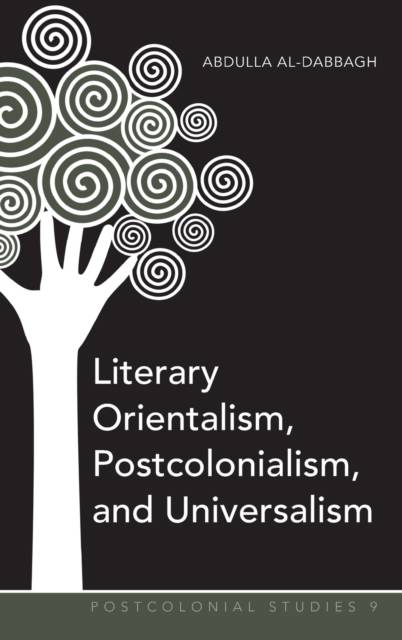
Literary Orientalism, Postcolonialism, and Universalism
Abdulla M Al-Dabbagh
€ 161,45
+ 322 punten
Omschrijving
A number of the greatest classics (both old and modern) of English literature, extending from Antony and Cleopatra to A Passage to India, contain a sympathetic portrayal of the East, which connects them to each other in a way that justifies the term literary orientalism. Literary Orientalism, Postcolonialism, and Universalism describes this clearly discernable tradition and examines certain key texts of oriental literature for the strong impact that they have had on English literature and for the striking manner in which they have been absorbed and appropriated into British culture. The Arabian Nights stands foremost among these works, which include the Maqamat, Ibn Tufayl's Hayy Bin Yaqdhan, as well as the oriental sources of courtly love. Literary Orientalism, Postcolonialism, and Universalism then moves from literary orientalism to a discussion of postcolonialism and postcolonial discourse. It argues, principally, that the time has come to go beyond orientalism and postcolonialism to a more universalist approach. The inadequacies of the term postcolonial, in particular, and the Eurocentric and Westernist perspective it implies, affirm the need for a renewed, modern form of humanism, a new humanist universalism.
Specificaties
Betrokkenen
- Auteur(s):
- Uitgeverij:
Inhoud
- Aantal bladzijden:
- 141
- Taal:
- Engels
- Reeks:
- Reeksnummer:
- nr. 9
Eigenschappen
- Productcode (EAN):
- 9781433107665
- Verschijningsdatum:
- 10/11/2009
- Uitvoering:
- Hardcover
- Formaat:
- Genaaid
- Afmetingen:
- 156 mm x 234 mm
- Gewicht:
- 390 g


Alleen bij Standaard Boekhandel
+ 322 punten op je klantenkaart van Standaard Boekhandel
Cadeau

AANGERADEN


Beoordelingen
We publiceren alleen reviews die voldoen aan de voorwaarden voor reviews. Bekijk onze voorwaarden voor reviews.