


- Afhalen na 1 uur in een winkel met voorraad
- Gratis thuislevering in België vanaf € 30
- Ruim aanbod met 7 miljoen producten
- Afhalen na 1 uur in een winkel met voorraad
- Gratis thuislevering in België vanaf € 30
- Ruim aanbod met 7 miljoen producten





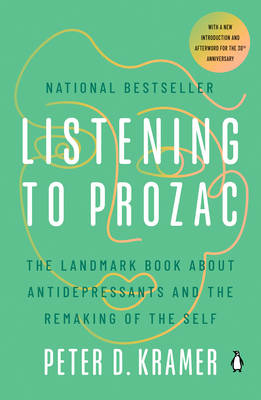
Listening to Prozac
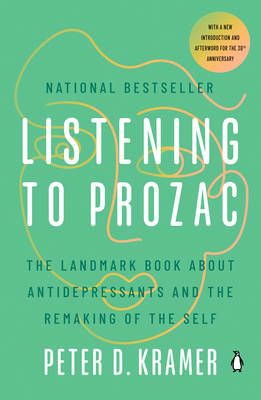
Listening to Prozac: The Landmark Book About Antidepressants and the Remaking of the Self
Peter D Kramer
Paperback | Engels
€ 33,45
+ 66 punten
Uitvoering
Omschrijving
The New York Times bestselling examination of the revolutionary antidepressant, with a new introduction and afterword reflecting on Prozac's legacy and the latest medical research
"Peter Kramer is an analyst of exceptional sensitivity and insight. To read his prose on virtually any subject is to be provoked, enthralled, illuminated." --Joyce Carol Oates
When antidepressants like Prozac first became available, Peter D. Kramer prescribed them, only to hear patients say that on medication, they felt different--less ill at ease, more like the person they had always imagined themselves to be. Referencing disciplines from cellular biology to animal ethology, Dr. Kramer worked to explain these reports. The result was Listening to Prozac, a revolutionary book that offered new perspectives on antidepressants, mood disorders, and our understanding of the self--and that became an instant national and international bestseller.
In this thirtieth anniversary edition, Dr. Kramer looks back at the influence of his groundbreaking book, traces progress in the relevant sciences, follows trends in the use and public understanding of antidepressants, and assesses potential breakthroughs in the treatment of depression. The new introduction and afterword reinforce and reinvigorate a book that the New York Times called "originally insightful" and "intelligent and informative," a window on a medicine that is "telling us new things about the chemistry of human character."
"Peter Kramer is an analyst of exceptional sensitivity and insight. To read his prose on virtually any subject is to be provoked, enthralled, illuminated." --Joyce Carol Oates
When antidepressants like Prozac first became available, Peter D. Kramer prescribed them, only to hear patients say that on medication, they felt different--less ill at ease, more like the person they had always imagined themselves to be. Referencing disciplines from cellular biology to animal ethology, Dr. Kramer worked to explain these reports. The result was Listening to Prozac, a revolutionary book that offered new perspectives on antidepressants, mood disorders, and our understanding of the self--and that became an instant national and international bestseller.
In this thirtieth anniversary edition, Dr. Kramer looks back at the influence of his groundbreaking book, traces progress in the relevant sciences, follows trends in the use and public understanding of antidepressants, and assesses potential breakthroughs in the treatment of depression. The new introduction and afterword reinforce and reinvigorate a book that the New York Times called "originally insightful" and "intelligent and informative," a window on a medicine that is "telling us new things about the chemistry of human character."
Specificaties
Betrokkenen
- Auteur(s):
- Uitgeverij:
Inhoud
- Aantal bladzijden:
- 480
- Taal:
- Engels
Eigenschappen
- Productcode (EAN):
- 9780140266719
- Verschijningsdatum:
- 1/09/1997
- Uitvoering:
- Paperback
- Formaat:
- Trade paperback (VS)
- Afmetingen:
- 140 mm x 213 mm
- Gewicht:
- 408 g


Alleen bij Standaard Boekhandel
+ 66 punten op je klantenkaart van Standaard Boekhandel
Cadeau

AANGERADEN


Beoordelingen
We publiceren alleen reviews die voldoen aan de voorwaarden voor reviews. Bekijk onze voorwaarden voor reviews.