



- Afhalen na 1 uur in een winkel met voorraad
- In januari gratis thuislevering in België
- Ruim aanbod met 7 miljoen producten
- Afhalen na 1 uur in een winkel met voorraad
- In januari gratis thuislevering in België
- Ruim aanbod met 7 miljoen producten





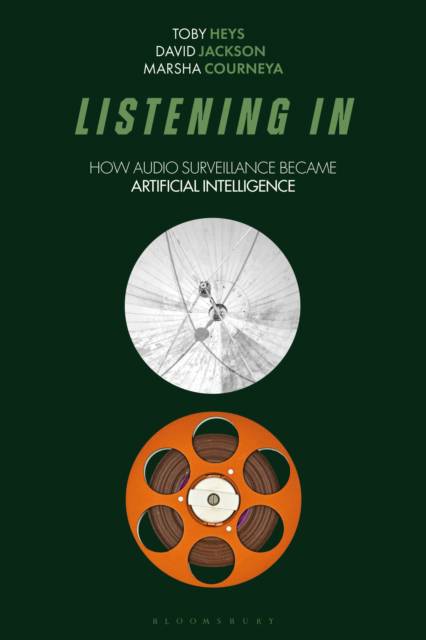
Listening in
How Audio Surveillance Became Artificial Intelligence
Toby Heys, David Jackson, Marsha Courneya
€ 121,45
+ 242 punten
Uitvoering
Omschrijving
In 1945, W. Averell Harriman, US Ambassador to the Soviet Union, was presented with a carved wooden plaque of the Great Seal of the United States as a 'gesture of friendship' by a delegation from the Soviet's Young Pioneer Organization.
Unbeknownst to him, one of the first covert listening devices, invented by Leon Theremin was hidden within it and was subsequently used to listen in on the ambassador's conversations for six years before being discovered. This book uses remarkable tales like this to tell the story of how modern audio surveillance developed and its important role in the evolution of today's artificial intelligence.
Specificaties
Betrokkenen
- Auteur(s):
- Uitgeverij:
Inhoud
- Aantal bladzijden:
- 296
- Taal:
- Engels
- Reeks:
Eigenschappen
- Productcode (EAN):
- 9781350340381
- Verschijningsdatum:
- 22/01/2026
- Uitvoering:
- Hardcover
- Formaat:
- Genaaid
- Afmetingen:
- 156 mm x 234 mm
- Gewicht:
- 730 g


Alleen bij Standaard Boekhandel
+ 242 punten op je klantenkaart van Standaard Boekhandel
Cadeau

AANGERADEN


Beoordelingen
We publiceren alleen reviews die voldoen aan de voorwaarden voor reviews. Bekijk onze voorwaarden voor reviews.