


- Afhalen na 1 uur in een winkel met voorraad
- Gratis thuislevering in België vanaf € 30
- Ruim aanbod met 7 miljoen producten
- Afhalen na 1 uur in een winkel met voorraad
- Gratis thuislevering in België vanaf € 30
- Ruim aanbod met 7 miljoen producten





€ 220,45
+ 440 punten
Omschrijving
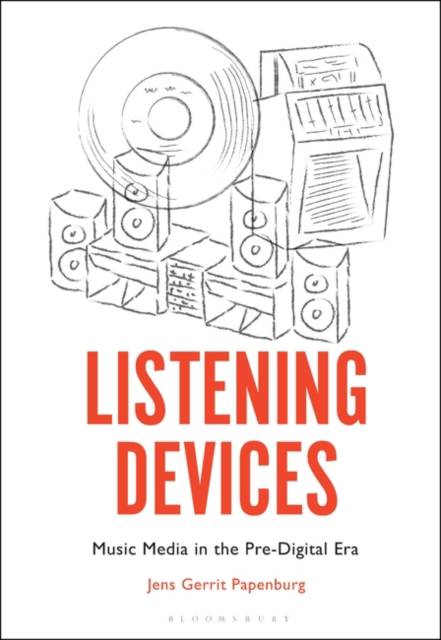
From 1940 to 1990, new machines and devices radically changed listening to music. Small and large single records, new kinds of jukeboxes and loudspeaker systems not only made it possible to playback music in a different way, they also evidence a fundamental transformation of music and listening itself. Taking the media and machines through which listening took place during this period, Listening Devices develops a new history of listening.Although these devices were (and often still are) easily accessible, up to now we have no concept of them. To address this gap, this volume proposes the term "listening device." In conjunction with this concept, the book develops an original and fruitful method for exploring listening as a historical subject that has been increasingly organized in relation to technology.
Case studies of four listening devices are the points of departure for the analysis, which leads the reader down unfamiliar paths, traversing the popular sound worlds of 1950s rock 'n' roll culture and the disco and club culture of the 1970s and 1980s. Despite all the characteristics specific to the different listening devices, they can nevertheless be compared because of the fundamental similarities they share: they model and manage listening, they actively mediate between the listener and the music heard, and it is this mediation that brings both listener and the music listened to into being. Ultimately, however, the intention is that the listening devices themselves should not be heard so that the music they playback can be heard. Thus, they take the history of listening to its very limits and confront it with its "other"-a history of non-listening. The book proposes "listening device" as a key concept for sound studies, popular music studies, musicology, and media studies. With this conceptual key, a new, productive understanding of past music and sound cultures of the pre-digital era can be unlocked, and, not least, of the listening culture of the digital present.Specificaties
Betrokkenen
- Auteur(s):
- Uitgeverij:
Inhoud
- Aantal bladzijden:
- 344
- Taal:
- Engels
Eigenschappen
- Productcode (EAN):
- 9781501346705
- Verschijningsdatum:
- 1/06/2023
- Uitvoering:
- Hardcover
- Formaat:
- Genaaid
- Afmetingen:
- 152 mm x 229 mm
- Gewicht:
- 621 g


Alleen bij Standaard Boekhandel
+ 440 punten op je klantenkaart van Standaard Boekhandel
Cadeau

AANGERADEN


Beoordelingen
We publiceren alleen reviews die voldoen aan de voorwaarden voor reviews. Bekijk onze voorwaarden voor reviews.