


- Afhalen na 1 uur in een winkel met voorraad
- Gratis thuislevering in België vanaf € 30
- Ruim aanbod met 7 miljoen producten
- Afhalen na 1 uur in een winkel met voorraad
- Gratis thuislevering in België vanaf € 30
- Ruim aanbod met 7 miljoen producten





€ 259,45
+ 518 punten
Uitvoering
Omschrijving
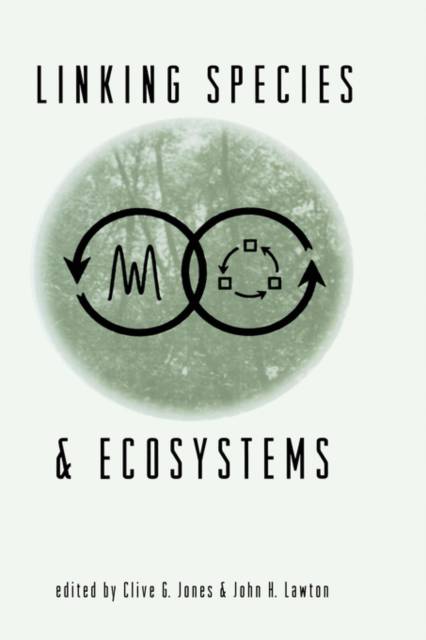
I was asked to introduce this volume by examining "why a knowledge of ecosys- tem functioning can contribute to understanding species activities, dynamics, and assemblages." I have found it surprisingly difficult to address this topic. On the one hand, the answer is very simple and general: because all species live in ecosystems, they are part of and dependent on ecosystem processes. It is impossible to understand the abundance and distribution of populations and the species diversity and composition of communities without a knowledge of their abiotic and biotic environments and of the fluxes of energy and mat- ter through the ecosystems of which they are a part. But everyone knows this. It is what ecology is all about (e.g., Likens, 1992). It is why the discipline has retained its integrity and thrived, despite a sometimes distressing degree of bickering and chauvinism among its various subdisciplines: physiological, be- havioral, population, community, and ecosystem ecology.
Specificaties
Betrokkenen
- Auteur(s):
- Uitgeverij:
Inhoud
- Aantal bladzijden:
- 387
- Taal:
- Engels
Eigenschappen
- Productcode (EAN):
- 9780412048012
- Verschijningsdatum:
- 30/11/1994
- Uitvoering:
- Hardcover
- Formaat:
- Genaaid
- Afmetingen:
- 163 mm x 237 mm
- Gewicht:
- 725 g


Alleen bij Standaard Boekhandel
+ 518 punten op je klantenkaart van Standaard Boekhandel
Cadeau

AANGERADEN


Beoordelingen
We publiceren alleen reviews die voldoen aan de voorwaarden voor reviews. Bekijk onze voorwaarden voor reviews.