


- Afhalen na 1 uur in een winkel met voorraad
- Gratis thuislevering in België vanaf € 30
- Ruim aanbod met 7 miljoen producten
- Afhalen na 1 uur in een winkel met voorraad
- Gratis thuislevering in België vanaf € 30
- Ruim aanbod met 7 miljoen producten




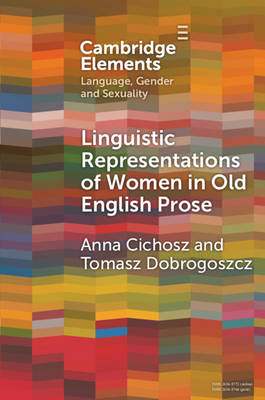
Linguistic Representations of Women in Old English Prose
A Corpus-Based Phraseological Study
Anna Cichosz, Tomasz Dobrogoszcz
€ 24,45
+ 48 punten
Uitvoering
Omschrijving
This Element traces the origins and earliest manifestations of gender bias in the English language. The analysis is based on a corpus of Old English prose texts, written between the ninth and the eleventh centuries. The results are interpreted in the historical, cultural and literary context of Anglo-Saxon England and early medieval Europe. The investigation shows a significant difference in the way women and men are presented in Old English texts, with the former clearly associated with family life, portrayed in the context of their physical appearance, marriage and childbearing, rarely involved in meaningful activities and presented as possessions of their male relatives. Situating the linguistic representations of women in the context of Christianity, the Element demonstrates that late Old English can be seen as a vehicle of language bias that will establish male domination for centuries to come. This title is also available as Open Access on Cambridge Core.
Specificaties
Betrokkenen
- Auteur(s):
- Uitgeverij:
Inhoud
- Aantal bladzijden:
- 106
- Taal:
- Engels
- Reeks:
Eigenschappen
- Productcode (EAN):
- 9781009625760
- Verschijningsdatum:
- 5/02/2026
- Uitvoering:
- Paperback
- Formaat:
- Trade paperback (VS)
- Afmetingen:
- 152 mm x 229 mm
- Gewicht:
- 154 g


Alleen bij Standaard Boekhandel
+ 48 punten op je klantenkaart van Standaard Boekhandel
CADEAU

AANGERADEN


Beoordelingen
We publiceren alleen reviews die voldoen aan de voorwaarden voor reviews. Bekijk onze voorwaarden voor reviews.