


- Afhalen na 1 uur in een winkel met voorraad
- Gratis thuislevering in België vanaf € 30
- Ruim aanbod met 7 miljoen producten
- Afhalen na 1 uur in een winkel met voorraad
- Gratis thuislevering in België vanaf € 30
- Ruim aanbod met 7 miljoen producten





€ 177,45
+ 354 punten
Omschrijving
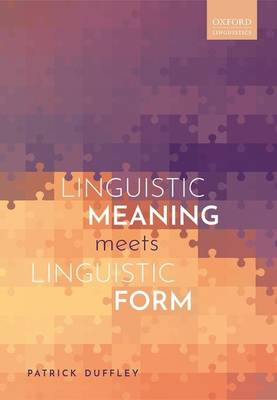
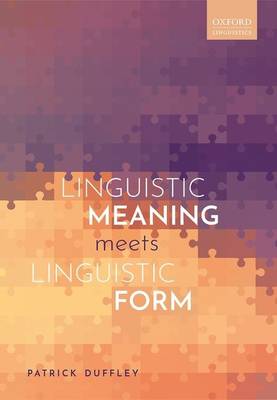
This book steers a middle course between two opposing conceptions that currently dominate the field of semantics, the logical and cognitive approaches. Patrick Duffley brings to light the inadequacies of both of these frameworks, arguing that linguistic semantics must be based on the linguistic sign itself and on the meaning that it conveys across the full range of its uses. The book offers 12 case studies that demonstrate the explanatory power of a sign-based semantics, dealing with topics such as complementation with aspectual and causative verbs, control and raising, wh- words, full-verb inversion, and existential-there constructions. It calls for a radical revision of the semantics/pragmatics interface, proposing that the dividing line be drawn between content that is linguistically encoded and content that is not encoded but still communicated. While traditional linguistic analysis often places meaning at the level of the sentence or construction, this volume argues that meaning belongs at the lower level of linguistic items, where the linguistic sign is stored in a stable, permanent, and direct relation with its meaning outside of any particular context. Building linguistic analysis from the ground up in this way provides it with a more solid foundation and increases its explanatory power.
Specificaties
Betrokkenen
- Auteur(s):
- Uitgeverij:
Inhoud
- Aantal bladzijden:
- 240
- Taal:
- Engels
Eigenschappen
- Productcode (EAN):
- 9780198850700
- Verschijningsdatum:
- 12/12/2020
- Uitvoering:
- Hardcover
- Formaat:
- Genaaid
- Afmetingen:
- 170 mm x 244 mm
- Gewicht:
- 566 g


Alleen bij Standaard Boekhandel
+ 354 punten op je klantenkaart van Standaard Boekhandel
Cadeau

AANGERADEN


Beoordelingen
We publiceren alleen reviews die voldoen aan de voorwaarden voor reviews. Bekijk onze voorwaarden voor reviews.